


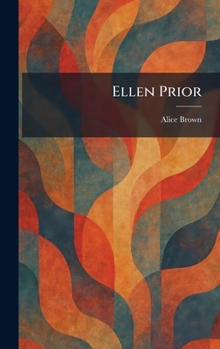
Ellen Prior

Select Format
Select Condition 
Book Overview
"Ellen Prior" is a poignant narrative poem that captures the essence of rural New England life through the tragic story of its titular character. Written by Alice Brown, a prominent figure in American regionalist literature, the work explores themes of unrequited love, sacrifice, and the harsh realities of life in a close-knit farming community.
The poem delves into the psychological complexities of its characters, particularly Ellen, as she navigates the emotional landscape of her surroundings. With its lyrical beauty and stark realism, "Ellen Prior" serves as a significant example of early 20th-century American verse, blending the traditions of local color fiction with the depth of narrative poetry. Brown's mastery of dialogue and atmosphere brings the New England countryside to life, making this work a compelling study of human nature and the silent tragedies that often define rural existence. Readers of classic American literature will find in this work a moving exploration of the human heart set against a masterfully rendered pastoral backdrop.
This work has been selected by scholars as being culturally important, and is part of the knowledge base of civilization as we know it. This work was reproduced from the original artifact, and remains as true to the original work as possible. Therefore, you may see the original copyright references, library stamps (as most of these works have been housed in our most important libraries around the world), and other notations in the work.
This work is in the public domain in the United States of America, and possibly other nations. Within the United States, you may freely copy and distribute this work, as no entity (individual or corporate) has a copyright on the body of the work.
As a reproduction of a historical artifact, this work may contain missing or blurred pages, poor pictures, errant marks, etc. Scholars believe, and we concur, that this work is important enough to be preserved, reproduced, and made generally available to the public. We appreciate your support of the preservation process, and thank you for being an important part of keeping this knowledge alive and relevant.
Customer Reviews
ThriftBooks ® and the ThriftBooks ® logo are registered trademarks of Thrift Books Global, LLC
