


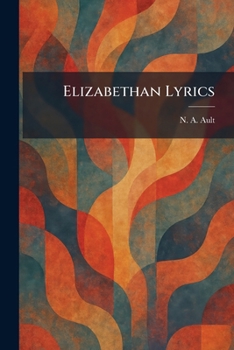
Elizabethan Lyrics

Select Format
Select Condition 
Book Overview
"Elizabethan Lyrics" is a comprehensive and masterfully curated anthology that captures the vibrant spirit and melodic beauty of one of the most significant periods in English literary history. Compiled by the noted scholar Norman Ault, this collection brings together a diverse array of verses ranging from the courtly sonnets of the Elizabethan elite to the pastoral songs and anonymous ballads that defined the late sixteenth and early seventeenth centuries.
The work showcases the evolution of the English lyric, highlighting the technical brilliance and emotional depth of poets like William Shakespeare, Edmund Spenser, and Philip Sidney, alongside many lesser-known but equally gifted voices of the age. The themes explored within these pages-love, mortality, nature, and the passage of time-reflect the intellectual and cultural ferment of the English Renaissance. This anthology serves as both a vital scholarly resource and a celebratory tribute to the lyrical ingenuity that flourished during the reign of Elizabeth I. Readers will find a rich tapestry of rhythmic innovation and linguistic flair, making it an essential volume for anyone interested in the foundations of English poetry and the enduring legacy of the Elizabethan era.
This work has been selected by scholars as being culturally important, and is part of the knowledge base of civilization as we know it. This work was reproduced from the original artifact, and remains as true to the original work as possible. Therefore, you may see the original copyright references, library stamps (as most of these works have been housed in our most important libraries around the world), and other notations in the work.
This work is in the public domain in the United States of America, and possibly other nations. Within the United States, you may freely copy and distribute this work, as no entity (individual or corporate) has a copyright on the body of the work.
As a reproduction of a historical artifact, this work may contain missing or blurred pages, poor pictures, errant marks, etc. Scholars believe, and we concur, that this work is important enough to be preserved, reproduced, and made generally available to the public. We appreciate your support of the preservation process, and thank you for being an important part of keeping this knowledge alive and relevant.
Related Subjects
PoetryCustomer Reviews
ThriftBooks ® and the ThriftBooks ® logo are registered trademarks of Thrift Books Global, LLC
