


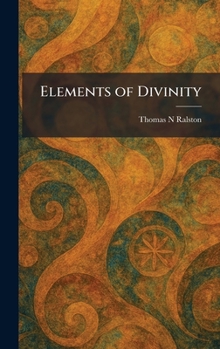
Elements of Divinity

"Elements of Divinity" is a comprehensive and authoritative treatise on Christian systematic theology, written by the esteemed theologian Thomas N. Ralston. This work provides a clear and organized exploration of the core tenets of the Christian faith, serving as a foundational text for those interested in Wesleyan-Arminian doctrine and the historical development of Methodist theology.
The volume is meticulously structured, moving from the foundational evidences of God's existence and the divine inspiration of the Holy Scriptures to the complex doctrines of the Trinity, the fall of humanity, and the nature of original sin. Ralston offers a deep dive into the atonement of Christ, the operations of the Holy Spirit, and the various means of grace. Each chapter is crafted with clarity, balancing scholarly rigor with a commitment to biblical instruction.
Essential for clergy, scholars, and laypeople alike, "Elements of Divinity" serves as both an educational resource and a spiritual guide. By synthesizing vast theological concepts into accessible "elements," Ralston provides readers with a robust framework for understanding the intricacies of divine law and the path to salvation. This classic work continues to be valued for its historical significance and its enduring contribution to religious discourse and theological study.
This work has been selected by scholars as being culturally important, and is part of the knowledge base of civilization as we know it. This work was reproduced from the original artifact, and remains as true to the original work as possible. Therefore, you may see the original copyright references, library stamps (as most of these works have been housed in our most important libraries around the world), and other notations in the work.
This work is in the public domain in the United States of America, and possibly other nations. Within the United States, you may freely copy and distribute this work, as no entity (individual or corporate) has a copyright on the body of the work.
As a reproduction of a historical artifact, this work may contain missing or blurred pages, poor pictures, errant marks, etc. Scholars believe, and we concur, that this work is important enough to be preserved, reproduced, and made generally available to the public. We appreciate your support of the preservation process, and thank you for being an important part of keeping this knowledge alive and relevant.
Customer Reviews
ThriftBooks ® and the ThriftBooks ® logo are registered trademarks of Thrift Books Global, LLC
