


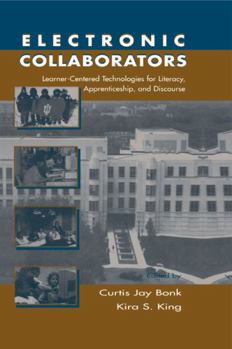
Electronic Collaborators: Learner-centered Technologies for Literacy, Apprenticeship, and Discourse
No Customer Reviews

Select Format
Select Condition 
Book Overview
This state-of-the-art volume details the tools for computer conferencing and collaboration, the learning theories grounding their use, and the preliminary results of this merging of theory building with tool use.
Format:Paperback
Language:English
ISBN:0805827978
ISBN13:9780805827972
Release Date:October 1998
Publisher:Routledge
Length:432 Pages
Weight:1.50 lbs.
Dimensions:1.0" x 6.1" x 9.0"
Customer Reviews
0 rating
Copyright © 2026 Thriftbooks.com
Terms of Use | Privacy Policy | Do Not Sell/Share My Personal Information | Cookie Notice | Cookie Preferences | Accessibility Statement
ThriftBooks ® and the ThriftBooks ® logo are registered trademarks of Thrift Books Global, LLC
ThriftBooks ® and the ThriftBooks ® logo are registered trademarks of Thrift Books Global, LLC
