


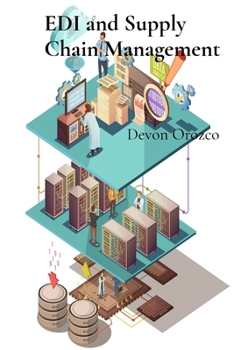
EDI and Supply Chain Management: Optimizing Logistics, Reducing Costs, and Improving Efficiency Through Seamless Data Exchange

EDI and Supply Chain Management is an essential guide for organizations seeking to enhance their logistics operations, reduce costs, and improve efficiency through the strategic implementation of Electronic Data Interchange (EDI). In an increasingly interconnected world, the ability to exchange data seamlessly and accurately is critical for maintaining competitiveness and meeting the demands of today's fast-paced marketplace. This book provides a comprehensive overview of how EDI can transform supply chain management (SCM) practices, enabling businesses to optimize their operations and achieve sustainable growth.
The discourse begins with a foundational introduction to EDI, elucidating its basic principles and the myriad benefits it offers. Readers will learn how EDI facilitates the electronic exchange of business documents, streamlining communication between trading partners. The discussion highlights the significant advantages of implementing EDI, including faster transaction times, reduced manual errors, and improved data accuracy. By understanding these foundational concepts, businesses can appreciate the transformative role EDI plays in modern supply chains.
The book then delves into the integration of EDI with supply chain management, exploring the fundamental aspects of SCM and the critical role EDI plays within this framework. By aligning EDI with SCM principles, organizations can enhance their logistics processes, from warehouse management to global logistics. This integration allows for real-time visibility into operations, fostering collaboration among partners and enabling more informed decision-making.
One of the key themes of the book is the optimization of logistics through EDI. It covers various facets of logistics management, including warehouse operations, transportation, order fulfillment, and inventory control. Each section provides actionable insights into how EDI can streamline these processes, reduce delays, and improve overall supply chain efficiency. By leveraging EDI, organizations can ensure that products are delivered to customers in a timely manner while minimizing operational costs.
The discussion of cost reduction strategies underscores EDI's potential to automate processes and minimize errors. By reducing manual intervention in data entry and document processing, businesses can cut costs significantly and enhance their bottom line. This section provides practical examples of how organizations have successfully implemented EDI to realize substantial savings and operational improvements.
The book also emphasizes the importance of improving efficiency through real-time data exchange and enhanced collaboration. By utilizing EDI, organizations can achieve faster cycle times, allowing them to respond swiftly to market changes and customer demands. The incorporation of data analytics into the EDI framework further enables businesses to measure performance, assess inefficiencies, and continuously refine their operations.
As security and compliance are paramount in today's digital landscape, the book addresses these critical concerns within the context of EDI. It outlines best practices for ensuring data security and navigating regulatory requirements, helping organizations maintain compliance while protecting sensitive information throughout the supply chain.
Looking to the future, EDI and Supply Chain Management explores emerging trends and innovations shaping the EDI landscape. Topics such as the integration of artificial intelligence and machine learning, blockchain technology, and sustainability considerations are discussed, providing readers with insights into the evolving role of EDI in SCM. By understanding these trends, organizations can position themselves for success in an ever-changing business environment.
Customer Reviews
ThriftBooks ® and the ThriftBooks ® logo are registered trademarks of Thrift Books Global, LLC
