


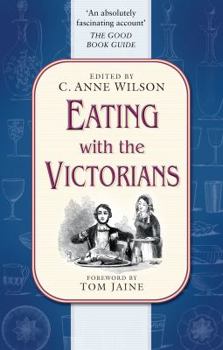
Eating With The Victorians


Meal-taking in Victorian Britain was more often based on the needs for showing social rank rather than for nourishment. This book tells the story of eating habits during this era, and offers a... This description may be from another edition of this product.
Format:Paperback
Language:English
ISBN:0750935510
ISBN13:9780750935517
Release Date:June 2004
Publisher:Sutton Pub Ltd
Length:174 Pages
Weight:0.45 lbs.
Dimensions:7.5" x 0.5" x 5.0"
Customer Reviews
1 rating
An interesting excursion into the mealtimes and styles of the past
Published by Thriftbooks.com User , 17 years ago
One topic I've always been interested in is culinary history -- just how did our eating traditions begin and where? It's a fascinating way to look at history, and often can help me to be inspired to try new dishes in the kitchen. This slim reprint of Luncheons, Nuncheons and Other Meals takes a look at Victorian England between the years 1800 and 1914, the start of the first World War. Edited and introduced by C. Anne Wilson, a noted British culinary historian, each chapter takes a look at a meal during the day - from breakfast in the morning, to the evolution of luncheon and afternoon tea, the quandaries of dinner and supper, and how each of the social classes dealt with them. It was this final aspect that really interested me, as all too often, the working poor and lower middle classes tended to be overlooked as most writers have focused on what the wealthy were eating. Foreword by Tom Jaine Introduction: Meal Patterns and Food Supply in Victorian Britain by C. Anne Wilson chronicles the shift that industrialization brought to Great Britain to the diets of the British. With the invention of tinned goods, refrigeration, and exposure to exotic cultures, the prices of food dropped and also the variety of foodstuffs increased. Cheap wheat from the United States and beef imports from Argentina and Australia also had unforeseen circumstances by undercutting native British pricing and driving former farmers into the ever-growing cities. As for the upper and middle classes, leisure time increased, and meals suddenly became a social indicator of disposable wealth and status. First Things First: The Great British Breakfast by Eileen White was a very interesting chapter for me. For anyone who has traveled in Great Britain, the traditional breakfast of eggs, bacon, sausages, toast is legendary, and more than enough to sustain heavy work. Indeed, it seemed that moralists have always trumpeted that to be eating breakfast was an indicator of moral decay and self-indulgence, and that no one really needed to eat more than a bit of bread and perhaps something to drink. Nowadays, it's quite the opposite -- breakfast is considered necessary and healthy. So begins the tug of war between the desire to sate hunger, and to appear not too greedy. Luncheon, Nuncheon and Related Meals by C. Anne Wilson looks at how luncheon was created. As the hours for dinner switched from midday to later and later in the afternoon and finally to evening hours as late as eight in the evening, something to sustain the body became more necessary. And it appears that it was a bit of a gender war that helped to introduce the trend for lunch -- businessmen and shopkeepers grumbled that lunching cut into business hours, but the women who did not work saw it as an opportunity to entertain their friends with light fare and to show off their own housekeeping skills. Proliferating Publications: The Progress of Victorian Cookery Literature by Lynette Hunter took a different track by loo
Copyright © 2026 Thriftbooks.com
Terms of Use | Privacy Policy | Do Not Sell/Share My Personal Information | Cookie Notice | Cookie Preferences | Accessibility Statement
ThriftBooks ® and the ThriftBooks ® logo are registered trademarks of Thrift Books Global, LLC
ThriftBooks ® and the ThriftBooks ® logo are registered trademarks of Thrift Books Global, LLC
