


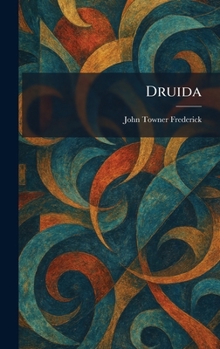
Druida

"Druida" is a poignant coming-of-age novel set against the sweeping landscapes of the Red River Valley in the American Midwest. The narrative follows the life of Druida, a young woman born into the harsh realities of a rural farming community. As she navigates the complexities of her upbringing, the story captures the profound intersection of personal ambition and the demanding, often unforgiving environment of the prairie.
The work is a significant example of early 20th-century regionalist fiction, highlighting the struggles and aspirations of individuals deeply tied to the land. The prose provides a vivid portrayal of the natural beauty of the plains alongside the stark social dynamics of frontier life. Through Druida's eyes, readers experience the tension between the traditional expectations of a pioneer family and an internal drive for intellectual and emotional growth.
As a foundational piece of Midwestern literature, "Druida" offers deep insights into the cultural fabric of the American heartland. It remains a compelling exploration of identity, resilience, and the enduring spirit of those who shaped the landscape of the Great Plains during a transformative era in American history.
This work has been selected by scholars as being culturally important, and is part of the knowledge base of civilization as we know it. This work was reproduced from the original artifact, and remains as true to the original work as possible. Therefore, you may see the original copyright references, library stamps (as most of these works have been housed in our most important libraries around the world), and other notations in the work.
This work is in the public domain in the United States of America, and possibly other nations. Within the United States, you may freely copy and distribute this work, as no entity (individual or corporate) has a copyright on the body of the work.
As a reproduction of a historical artifact, this work may contain missing or blurred pages, poor pictures, errant marks, etc. Scholars believe, and we concur, that this work is important enough to be preserved, reproduced, and made generally available to the public. We appreciate your support of the preservation process, and thank you for being an important part of keeping this knowledge alive and relevant.
Customer Reviews
ThriftBooks ® and the ThriftBooks ® logo are registered trademarks of Thrift Books Global, LLC
