


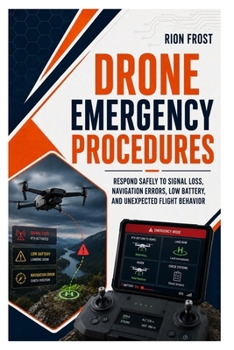
Drone Emergency Procedures: Respond Safely to Signal Loss, Navigation Errors, Low Battery, and Unexpected Flight Behavior

A routine operation can become dangerous in seconds.
The connection weakens. The aircraft begins drifting. The compass points the wrong way. Power drops faster than expected. A motor warning appears, the wind strengthens, or an automatic return starts following an unsafe path.
In that moment, the pilot does not need a long technical explanation. The pilot needs a clear order of action.
Drone Emergency Procedures gives remote pilots a practical system for recognizing trouble early, protecting people, maintaining control, and choosing the safest available landing option.
Inside, you'll learn how to:
Think clearly when several warnings appear at onceUse the Stabilize-Assess-Act method under pressurePrepare return settings, failsafes, reserves, and alternate landing areasDistinguish frozen video from complete controller disconnectionHandle weak links, reconnection, and automatic return hazardsManage GNSS degradation, compass problems, drift, and flyaway-like movementMake better decisions when available power falls rapidlyDeal with strong wind, cold packs, loose connections, and controller shutdownRecognize vibration, rotation, propulsion problems, and structural damageSelect a forced-landing area without putting people at greater riskSecure an impact site and handle damaged lithium equipment cautiouslyPreserve logs, warnings, photographs, and other evidenceInvestigate incidents without jumping to unsupported conclusionsCreate personal checklists, training records, and recovery plansThe explanations are conversational, platform-neutral, and focused on real decisions rather than complicated theory. Practical exercises help readers rehearse link interruptions, misleading map information, abnormal movement, forced landings, and post-incident investigation without deliberately creating a dangerous airborne failure.
Whether you operate camera aircraft, FPV machines, configurable autopilot platforms, multirotors, or fixed-wing systems, this guide will help you prepare before trouble begins and act while useful options still remain.
The goal is not to save the aircraft at any cost. It is to protect people, reduce the danger, and bring the event to the safest achievable conclusion.
Customer Reviews
ThriftBooks ® and the ThriftBooks ® logo are registered trademarks of Thrift Books Global, LLC
