


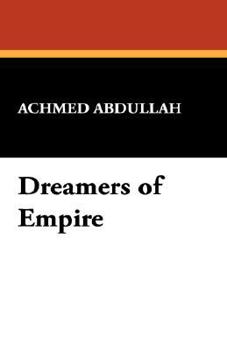
Dreamers of Empire

Select Format
Select Condition 
Book Overview
Dreamers of Empire presents the captivating biographies of some of the British Empire's most daring adventurers and empire-builders. This volume explores the lives of men such as Cecil John Rhodes, a visionary and controversial figure in South African colonization; Richard Francis Burton, the famed explorer and translator of The Arabian Nights; and John Nicholson and Henry Montgomery Lawrence, key military figures in British India. It also includes the tales of William Walker, a soldier of fortune, and Charles George Gordon, whose tragic fate in Khartoum became legendary. Each biography delves into the ambitions, exploits, and lasting legacies of these extraordinary individuals.
Achmed Abdullah (1881-1945), born Alexander Nicholayevitch Romanoff, was a Russian-born writer of exotic adventure tales, often set in the Middle East, Asia, and other far-flung locales. Of mixed heritage, Abdullah's life and identity were shrouded in mystery, contributing to the allure of his works. His stories, such as The Thief of Bagdad and The Cat's Paw, frequently explored themes of espionage, mysticism, and adventure, blending elements of romance and intrigue. He was a popular author in pulp magazines and screenwriting, with his tales being adapted into successful Hollywood films. Abdullah's writing style was noted for its vivid descriptions and action-packed plots.
Customer Reviews
ThriftBooks ® and the ThriftBooks ® logo are registered trademarks of Thrift Books Global, LLC
