


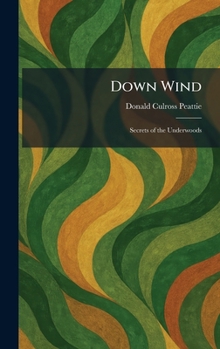
Down Wind: Secrets of the Underwoods

"Down Wind; Secrets of the Underwoods" is an evocative collection of nature sketches that brings the hidden world of the wilderness to life. Written by the celebrated naturalist Donald Culross Peattie, this work delves into the secret lives of animals and the intricate rhythms of the wild. Through a series of narrative essays, Peattie explores the struggles and triumphs of creatures inhabiting the forests, fields, and marshes, from the keen-eyed predator to the elusive prey.
Peattie's lyrical prose captures the essence of the natural world, offering readers a glimpse into the "underwoods"-those quiet, often unseen spaces where nature's most compelling dramas unfold. Each chapter serves as an intimate portrait of ecological connection, highlighting the author's deep knowledge of botany and zoology alongside his profound appreciation for the landscape. Themes of survival, instinct, and the enduring beauty of the untamed world permeate the text. This collection remains a testament to Peattie's unique ability to blend scientific observation with poetic storytelling, making it an essential read for lovers of natural history and classic outdoor literature.
This work has been selected by scholars as being culturally important, and is part of the knowledge base of civilization as we know it. This work was reproduced from the original artifact, and remains as true to the original work as possible. Therefore, you may see the original copyright references, library stamps (as most of these works have been housed in our most important libraries around the world), and other notations in the work.
This work is in the public domain in the United States of America, and possibly other nations. Within the United States, you may freely copy and distribute this work, as no entity (individual or corporate) has a copyright on the body of the work.
As a reproduction of a historical artifact, this work may contain missing or blurred pages, poor pictures, errant marks, etc. Scholars believe, and we concur, that this work is important enough to be preserved, reproduced, and made generally available to the public. We appreciate your support of the preservation process, and thank you for being an important part of keeping this knowledge alive and relevant.
Customer Reviews
ThriftBooks ® and the ThriftBooks ® logo are registered trademarks of Thrift Books Global, LLC
