


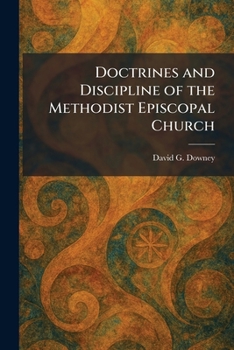
Doctrines and Discipline of the Methodist Episcopal Church

"Doctrines and Discipline of the Methodist Episcopal Church 1924" serves as a comprehensive guide to the spiritual tenets and organizational structure of one of America's most influential religious denominations during the early 20th century. Edited by David G. Downey, this volume outlines the foundational beliefs, ethical standards, and procedural mandates that governed the Methodist Episcopal Church following the General Conference of 1924.
The work provides detailed insights into the Articles of Religion, the General Rules, and the specific rituals pertaining to baptism, communion, and marriage. It also delineates the duties of various church officers-including bishops, pastors, and lay leaders-and provides the framework for church trials and administrative appeals. As a primary source of ecclesiastical law, this text reflects the Methodist commitment to both personal piety and social order.
Whether for historians of religion, theologians, or those interested in the evolution of American Methodism, this book remains a vital document. It captures the theological priorities and practical concerns of a global church navigating the complexities of the post-World War I era, offering a window into the discipline that shaped the lives of millions of congregants.
This work has been selected by scholars as being culturally important, and is part of the knowledge base of civilization as we know it. This work was reproduced from the original artifact, and remains as true to the original work as possible. Therefore, you may see the original copyright references, library stamps (as most of these works have been housed in our most important libraries around the world), and other notations in the work.
This work is in the public domain in the United States of America, and possibly other nations. Within the United States, you may freely copy and distribute this work, as no entity (individual or corporate) has a copyright on the body of the work.
As a reproduction of a historical artifact, this work may contain missing or blurred pages, poor pictures, errant marks, etc. Scholars believe, and we concur, that this work is important enough to be preserved, reproduced, and made generally available to the public. We appreciate your support of the preservation process, and thank you for being an important part of keeping this knowledge alive and relevant.
Customer Reviews
ThriftBooks ® and the ThriftBooks ® logo are registered trademarks of Thrift Books Global, LLC
