


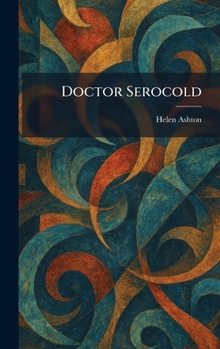
Doctor Serocold

"Doctor Serocold" is a masterful exploration of a single day in the life of a dedicated country practitioner. Set in the quiet English town of Dellystree, the narrative follows Dr. Luke Serocold from dawn until midnight as he navigates the intimate joys and profound tragedies of his patients. Through a series of house calls and professional encounters, Helen Ashton paints a vivid portrait of a man whose identity is inextricably linked to the well-being of his community.
The novel captures the delicate balance between the clinical and the personal, reflecting on the aging doctor's own past and the changing landscape of medical practice in the early 20th century. As Serocold attends to births, deaths, and the mundane ailments of his neighbors, the reader is invited into a world of quiet heroism and deep empathy. Ashton's prose is both precise and evocative, offering a psychological depth that elevates the story beyond a simple professional chronicle.
A significant contribution to modern literary fiction, "Doctor Serocold" remains a poignant study of human character and the enduring impact of a life spent in service to others. Its structured 24-hour timeframe provides a compelling rhythm that highlights the universal cycle of life within a specific, finely drawn social setting.
This work has been selected by scholars as being culturally important, and is part of the knowledge base of civilization as we know it. This work was reproduced from the original artifact, and remains as true to the original work as possible. Therefore, you may see the original copyright references, library stamps (as most of these works have been housed in our most important libraries around the world), and other notations in the work.
This work is in the public domain in the United States of America, and possibly other nations. Within the United States, you may freely copy and distribute this work, as no entity (individual or corporate) has a copyright on the body of the work.
As a reproduction of a historical artifact, this work may contain missing or blurred pages, poor pictures, errant marks, etc. Scholars believe, and we concur, that this work is important enough to be preserved, reproduced, and made generally available to the public. We appreciate your support of the preservation process, and thank you for being an important part of keeping this knowledge alive and relevant.
Customer Reviews
ThriftBooks ® and the ThriftBooks ® logo are registered trademarks of Thrift Books Global, LLC
