


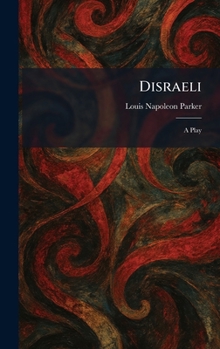
Disraeli: A Play

"Disraeli: A Play" is a compelling historical drama by Louis Napoleon Parker that brings to life one of the most charismatic and influential figures in British political history. Centered on the career and personal wit of Benjamin Disraeli, the play explores the high-stakes world of Victorian diplomacy and domestic intrigue. The narrative focuses specifically on Disraeli's visionary efforts to secure the Suez Canal for the British Empire, showcasing his strategic brilliance in the face of political rivals and international pressure.
Parker masterfully balances the public life of the Prime Minister with glimpses into his private world, particularly his deep devotion to his wife and his sharp, urbane humor. Through sharp dialogue and dramatic tension, the play captures the essence of the mid-19th-century political landscape, portraying a man who defied convention to leave an indelible mark on history. As a work of historical fiction for the stage, "Disraeli: A Play" remains an engaging study of leadership, patriotism, and the art of the deal. This work serves as both an entertaining theatrical experience and a window into the complexities of the British Empire during the Victorian era.
This work has been selected by scholars as being culturally important, and is part of the knowledge base of civilization as we know it. This work was reproduced from the original artifact, and remains as true to the original work as possible. Therefore, you may see the original copyright references, library stamps (as most of these works have been housed in our most important libraries around the world), and other notations in the work.
This work is in the public domain in the United States of America, and possibly other nations. Within the United States, you may freely copy and distribute this work, as no entity (individual or corporate) has a copyright on the body of the work.
As a reproduction of a historical artifact, this work may contain missing or blurred pages, poor pictures, errant marks, etc. Scholars believe, and we concur, that this work is important enough to be preserved, reproduced, and made generally available to the public. We appreciate your support of the preservation process, and thank you for being an important part of keeping this knowledge alive and relevant.
Related Subjects
DramaCustomer Reviews
ThriftBooks ® and the ThriftBooks ® logo are registered trademarks of Thrift Books Global, LLC
