


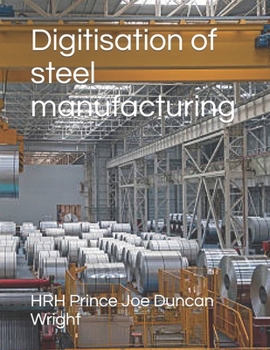
Digitisation of steel manufacturing

Innovation lies at the heart of the digitisation of steel manufacturing, reshaping one of the world's oldest industries into a modern engine of progress. By embracing digital technologies and pioneering practices, steel manufacturers are not only transforming their operations but also driving continuous improvement, enhancing sustainability, and ensuring competitiveness in a rapidly evolving global market.
The digitisation journey begins with the integration of smart technologies such as artificial intelligence, machine learning, and advanced analytics. These tools allow manufacturers to monitor production processes in real time, predict equipment failures before they occur, and optimize energy consumption. By harnessing data, steel plants can achieve unprecedented levels of efficiency, reducing waste and lowering costs while maintaining the highest standards of quality.
Equally transformative is the adoption of automation and robotics. From precision casting to automated rolling mills, robotics enhance safety, consistency, and productivity. Combined with digital twins - virtual replicas of physical assets - engineers can simulate, test, and refine processes without interrupting production. This convergence of physical and digital systems represents a new era of steelmaking, where innovation is embedded into every stage of the value chain.
Beyond the factory floor, digitisation extends to supply chain management and sustainability initiatives. Blockchain technologies ensure transparency in sourcing raw materials, while digital platforms streamline logistics and distribution. At the same time, smart energy systems and predictive modeling support the transition to low-carbon steel production, aligning the industry with global climate goals. In this way, innovation is not merely a tool for competitiveness but a pathway to responsibility - ensuring that steel manufacturing contributes to a more sustainable and equitable future.
Customer Reviews
ThriftBooks® and the ThriftBooks® logo are registered trademarks of Thrift Books Global, LLC
