


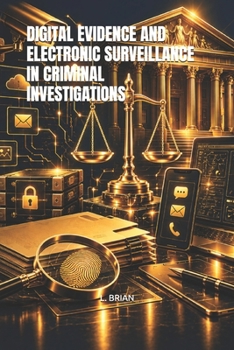
Digital Evidence and Electronic Surveillance in Criminal Investigations

DIGITAL EVIDENCE AND ELECTRONIC SURVEILLANCE IN CRIMINAL INVESTIGATIONS provides a practical introduction to the growing role of technology in modern criminal investigations. Computers, smartphones, social media, cloud services, online transactions, and electronic communications can provide important evidence, but investigators must also consider privacy, authorization, preservation, authenticity, and legal requirements.
The book explores how digital evidence is collected, preserved, examined, authenticated, and presented in criminal proceedings. It also examines electronic surveillance, social media investigations, cybersecurity, and emerging technologies that are changing digital investigations.
Inside This Book, You Will Learn1. Understanding Digital Evidence
Learn what digital evidence is, where electronic data comes from, and how it can be used in criminal investigations.
2. Computers and Criminal Investigations
Explore device seizure, data preservation, forensic imaging, and data recovery techniques.
3. Mobile Device Evidence
Understand smartphone examinations, application data, location information, and communication records.
4. Internet-Based Evidence
Examine website activity, cloud storage, online transactions, and metadata.
5. Electronic Surveillance Methods
Learn about wiretaps, communication monitoring, tracking technologies, and investigative authorizations.
6. Social Media Investigations
Explore social media evidence, profile analysis, online associations, and evidence authentication.
7. Privacy and Constitutional Issues
Understand privacy expectations, search authorizations, data protection laws, and the balance between investigation and individual rights.
8. Admissibility of Digital Evidence
Learn about authenticity, chain of custody, reliability, and presenting digital evidence in court.
9. Cybersecurity and Evidence Integrity
Explore evidence protection, encryption challenges, data breaches, and secure storage.
10. Future of Digital Investigations
Discover emerging developments involving artificial intelligence, blockchain evidence, expanding surveillance technologies, and new legal questions.
Digital evidence has become an important part of modern criminal investigations. Understanding how electronic information is collected, preserved, analyzed, and presented can help readers better understand the relationship between technology and criminal law.
DIGITAL EVIDENCE AND ELECTRONIC SURVEILLANCE IN CRIMINAL INVESTIGATIONS brings together key concepts involving computers, smartphones, online activity, social media, surveillance, privacy, cybersecurity, and courtroom evidence.
Whether you are studying law or criminal justice, conducting research, working in investigation, or simply interested in digital investigations, this book provides a clear foundation for understanding how electronic evidence is used in criminal cases.
#DigitalEvidence #ElectronicSurveillance #CriminalInvestigation #Cybercrime #DigitalForensics #CriminalJustice #CybersecurityRelated Subjects
LawCustomer Reviews
ThriftBooks ® and the ThriftBooks ® logo are registered trademarks of Thrift Books Global, LLC
