


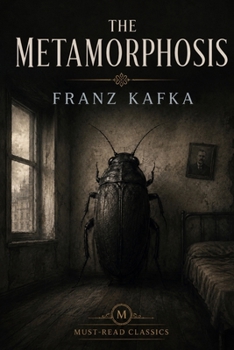
The Metamorphosis


Select Format
Select Condition 
Book Overview
The Metamorphosis (Die Verwandlung), first published in 1915, is Franz Kafka's most famous novella and one of the defining works of modern literature. The story follows Gregor Samsa, a traveling salesman who wakes one morning to discover that he has transformed into a gigantic insect-like creature. Unable to communicate properly and no longer capable of fulfilling his role as the family's sole breadwinner, Gregor finds himself isolated from the world he once knew.
As Gregor struggles to adapt to his shocking new condition, his relationships with his parents and sister begin to change. At first, they react with fear, confusion, and pity, but over time these emotions give way to frustration, resentment, and rejection. Confined to his room and cut off from human society, Gregor witnesses the gradual collapse of his place within the family. The people he worked tirelessly to support must now find ways to survive without him, forcing them to confront uncomfortable truths about dependence, responsibility, and identity.
Kafka uses Gregor's bizarre transformation as a powerful metaphor for alienation, loneliness, and the loss of human dignity. The novella explores themes such as family obligation, social isolation, guilt, and the dehumanizing effects of modern work. Through Kafka's precise yet unsettling prose, ordinary domestic life becomes a source of anxiety and existential uncertainty.
Both tragic and darkly humorous, The Metamorphosis challenges readers to consider what makes someone truly human and how society treats those who can no longer meet its expectations. More than a century after its publication, the novella remains a profound and haunting exploration of identity, belonging, and the fragile bonds that connect individuals to family and society. Its unforgettable opening and timeless themes have secured its place as one of the most influential works of twentieth-century literature.
Customer Reviews
Heartbreaking
Highly recommend this book!
Green collection
The best of Kafka
Super short and good!
Man Turns Into Bug: The Perfect Interpretation of Human Nature
Kafka's writing works at many levels
I teach from this edition
Las relaciones familia-hijo
A brilliant nightmare
The Metamorphosis Mentions in Our Blog
As we welcome the month ahead, we're shining a light on notable and acclaimed July-born authors. We're delighted to celebrate them and their beloved works of fiction, nonfiction, poetry, theater, and more.
ThriftBooks ® and the ThriftBooks ® logo are registered trademarks of Thrift Books Global, LLC
