


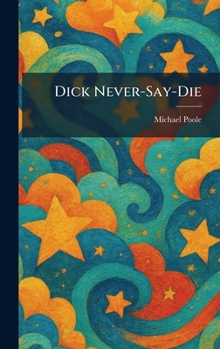
Dick Never-Say-Die

"Dick Never-Say-Die" is a spirited example of early 20th-century British youth fiction, centering on the themes of resilience, sportsmanship, and the trials of school life. Written by Michael Poole, a master of the genre, the story follows the eponymous Dick as he navigates the challenges of his educational environment. From the competitive atmosphere of the playing fields to the intricate social hierarchies of the classroom, the narrative captures the essence of the "never-say-die" spirit.
Readers will find a classic adventure filled with camaraderie and the development of character. As Dick faces various obstacles, both academic and personal, he must rely on his wit and unwavering determination to succeed. The work provides a nostalgic look into the traditions of the British school system while offering a timeless lesson on the importance of persistence and moral integrity. "Dick Never-Say-Die" remains an engaging read for those interested in the history of juvenile literature and the enduring appeal of the schoolboy hero.
This work has been selected by scholars as being culturally important, and is part of the knowledge base of civilization as we know it. This work was reproduced from the original artifact, and remains as true to the original work as possible. Therefore, you may see the original copyright references, library stamps (as most of these works have been housed in our most important libraries around the world), and other notations in the work.
This work is in the public domain in the United States of America, and possibly other nations. Within the United States, you may freely copy and distribute this work, as no entity (individual or corporate) has a copyright on the body of the work.
As a reproduction of a historical artifact, this work may contain missing or blurred pages, poor pictures, errant marks, etc. Scholars believe, and we concur, that this work is important enough to be preserved, reproduced, and made generally available to the public. We appreciate your support of the preservation process, and thank you for being an important part of keeping this knowledge alive and relevant.
Customer Reviews
ThriftBooks ® and the ThriftBooks ® logo are registered trademarks of Thrift Books Global, LLC
