


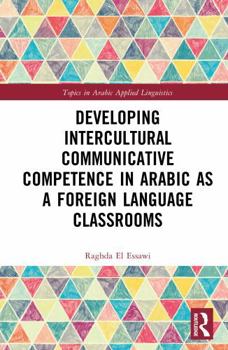
Developing Intercultural Communicative Competence in Arabic as a Foreign Language Classrooms

Developing Intercultural Communicative Competence in Arabic as a Foreign Language Classrooms explores intercultural communicative competence (ICC) as a core objective of contemporary foreign language education, with a sustained focus on Arabic as a Foreign Language.
Bringing together theoretical, critical, and pedagogical perspectives, the book traces the evolution of communicative competence from its linguistic origins to intercultural and genre-based reconceptualization, engaging with major models, debates, and enduring theory-practice tensions in the field. A distinctive feature of the volume is its emphasis on the pedagogical operationalization of ICC. Drawing on classroom-based research, the chapters demonstrate how ICC principles can be integrated into instructional planning, materials development, classroom interaction, telecollaboration, and textbook design. Particular attention is given to the linguacultural specificities of Arabic, including the relationship between Modern Standard Arabic and dialects. The book introduces a genre-based instructional framework that aligns intercultural development with the systematic teaching of the four language skills, positioning genre as a unifying pedagogical principle. It also addresses the assessment of ICC, proposing genre-sensitive and authentic approaches that foreground intercultural reflection, dialogic engagement, and language use as social action.
Intended for researchers, teacher educators, graduate students, and practicing language teachers in the field of Arabic as a Foreign Language, the book offers a coherent and ethically grounded framework for designing context-sensitive Arabic language education for intercultural communication.
Customer Reviews
ThriftBooks ® and the ThriftBooks ® logo are registered trademarks of Thrift Books Global, LLC
