


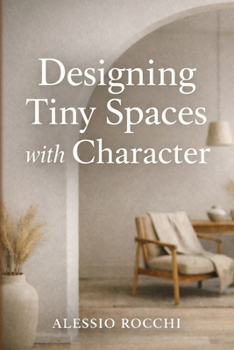
Designing Tiny Spaces with Character: Smart Solutions for Small Homes and Modern Apartments

Living in a small space doesn't mean sacrificing comfort, beauty, or personality.
It means every decision matters more.
Designing Tiny Spaces with Character challenges the myth that square meters define quality of life. Instead, it shows how thoughtful design, proportion, and intention can transform compact interiors into spaces that truly fit the people who live in them.
This is not a book about squeezing furniture into rooms.
It's a book about designing a home that works with your life.
What If Your Home Adapted to You, Not the Other Way Around?
Most design books focus on trends, styles, or ideal floor plans. This one focuses on real living.
Inside, you'll discover:
How to read your space like a system, not a static layout
Why proportion, light, and negative space matter more than square footage
How to design around the human body, routines, and change
Why small homes reveal design mistakes faster-and how to fix them intelligently
How furniture, walls, and objects can work harder without adding clutter
Each chapter connects design theory with everyday experience, blending architectural thinking with practical insight. The result is a guide that feels both deeply reflective and immediately useful.
Create a Home That Feels Calm, Functional, and Unmistakably Yours
This book is for readers who want more than "space-saving tips."
You'll learn how to:
Design tiny spaces that feel intentional, balanced, and personalReduce friction, visual noise, and decision fatigueUse measurement and proportion to increase comfort and perceived spaceAdapt your home as your life, habits, and priorities evolveLet go of excess without losing warmth or characterInstead of chasing perfection, Designing Tiny Spaces with Character teaches you how to build alignment-between space, body, and identity.
The goal isn't minimalism for its own sake.
The goal is a home that feels right.
Start Designing a Home That Truly Fits You
If you live in:
a small apartmenta studioa compact homeor simply want a calmer, smarter living environmentthis book will change how you see and use your space.
Buy now and start designing a home that supports your life-not just your floor plan.
Your space may be small.
But the way you live in it doesn't have to be.
Customer Reviews
ThriftBooks ® and the ThriftBooks ® logo are registered trademarks of Thrift Books Global, LLC
