


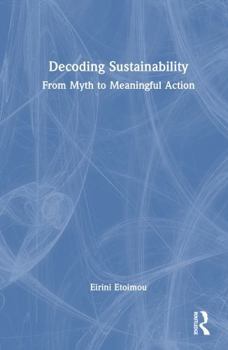
Decoding Sustainability: From Myth to Meaningful Action

Sustainability is often described as urgent, complex and transformative. In practice, it is frequently experienced as fragmented, abstract or difficult to translate into decisions. Many organisations are not lacking intent; they are lacking clarity about how sustainability fits into governance, strategy, execution and everyday trade-offs.
Decoding Sustainability brings structure to that challenge. It examines sustainability as a systemic condition that reshapes markets, business models, risk exposure and organisational responsibility. Rather than presenting a catalogue of frameworks or a maturity ladder, the book focuses on integration - how sustainability becomes part of how organisations think, decide and operate.
The chapters move from conceptual foundations and organisational readiness to culture, governance, value creation, measurement, reporting and long-term adaptation. Throughout, the emphasis remains on coherence: connecting expectations, systems and decision pathways so sustainability does not remain symbolic or isolated.
Written in clear language and grounded in lived organisational realities, this book supports readers at different stages of experience - from those seeking orientation to those refining practice. It offers not universal answers, but a structured way to navigate complexity with judgement, credibility and confidence.
Customer Reviews
ThriftBooks ® and the ThriftBooks ® logo are registered trademarks of Thrift Books Global, LLC
