


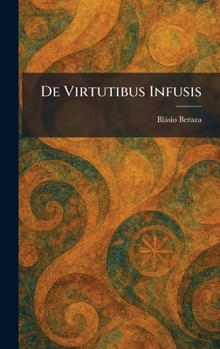
De Virtutibus Infusis

"De Virtutibus Infusis" is a profound theological treatise exploring the nature and operation of the infused virtues within the framework of Catholic dogma and scholastic philosophy. Written by the Jesuit scholar Blasio Beraza, this work provides an exhaustive examination of the supernatural habits-faith, hope, and charity-that are poured into the soul by divine grace. Beraza meticulously analyzes the distinction between acquired and infused virtues, drawing upon the tradition of Saint Thomas Aquinas and the broader scholastic heritage to clarify how these virtues direct the human person toward their ultimate supernatural end.
The text serves as an essential resource for students of moral theology and spiritual life, offering rigorous definitions and systematic arguments regarding the necessity, properties, and effects of grace-led living. It delves into the relationship between the intellect, the will, and divine assistance, making it a significant contribution to early 20th-century Catholic thought. This scholarly exploration remains a valuable reference for those seeking to understand the traditional ecclesiastical teachings on the inner life and the theological foundations of Christian perfection.
This work has been selected by scholars as being culturally important, and is part of the knowledge base of civilization as we know it. This work was reproduced from the original artifact, and remains as true to the original work as possible. Therefore, you may see the original copyright references, library stamps (as most of these works have been housed in our most important libraries around the world), and other notations in the work.
This work is in the public domain in the United States of America, and possibly other nations. Within the United States, you may freely copy and distribute this work, as no entity (individual or corporate) has a copyright on the body of the work.
As a reproduction of a historical artifact, this work may contain missing or blurred pages, poor pictures, errant marks, etc. Scholars believe, and we concur, that this work is important enough to be preserved, reproduced, and made generally available to the public. We appreciate your support of the preservation process, and thank you for being an important part of keeping this knowledge alive and relevant.
Customer Reviews
ThriftBooks ® and the ThriftBooks ® logo are registered trademarks of Thrift Books Global, LLC
