


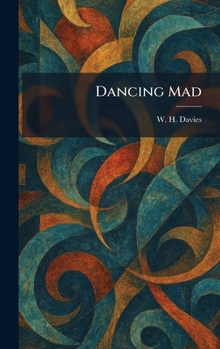
Dancing Mad

"Dancing Mad" is a compelling novel by the renowned Welsh writer W.H. Davies that explores the unraveling of a marriage under the pressure of conflicting passions and social expectations. This psychological drama centers on the relationship between Norman, an artist of sensitive temperament, and his wife Mildred, whose insatiable love for dancing becomes a source of profound domestic discord.
Through the lens of Norman and Mildred's life together, Davies examines themes of jealousy, personal identity, and the fine line between enthusiasm and madness. As Mildred's obsession with the dance floor grows, the couple finds themselves increasingly alienated from one another, leading to a series of emotional developments that test their limits. Known primarily for his poetry and prose accounts of life on the road, Davies brings a unique, observational style to this work of fiction, offering a sharp critique of contemporary social life and the complexities of human desire.
A notable example of early 20th-century literature, "Dancing Mad" remains a poignant study of the human heart and the difficulties of balancing individual freedom with the responsibilities of partnership. Readers of classic fiction and psychological drama will find much to admire in Davies' nuanced portrayal of a relationship in decline.
This work has been selected by scholars as being culturally important, and is part of the knowledge base of civilization as we know it. This work was reproduced from the original artifact, and remains as true to the original work as possible. Therefore, you may see the original copyright references, library stamps (as most of these works have been housed in our most important libraries around the world), and other notations in the work.
This work is in the public domain in the United States of America, and possibly other nations. Within the United States, you may freely copy and distribute this work, as no entity (individual or corporate) has a copyright on the body of the work.
As a reproduction of a historical artifact, this work may contain missing or blurred pages, poor pictures, errant marks, etc. Scholars believe, and we concur, that this work is important enough to be preserved, reproduced, and made generally available to the public. We appreciate your support of the preservation process, and thank you for being an important part of keeping this knowledge alive and relevant.
Customer Reviews
ThriftBooks ® and the ThriftBooks ® logo are registered trademarks of Thrift Books Global, LLC
