


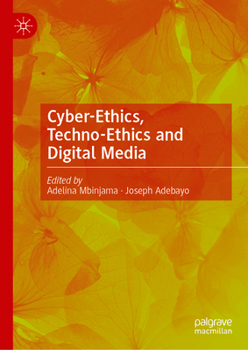
Cyber-Ethics, Techno-Ethics and Digital Media

This book explores cyber-ethics, techno-ethics and digital media to support students and professionals in identifying new ethical dilemmas and navigating complex situations with a clear moral framework. As digital technologies continue to penetrate every aspect of society, they buttress the need for an understanding of the ethical implications of these advancements for ensuring responsible use and fostering a more just and equitable society. As new technologically-driven media platforms and production techniques, such as virtual production, the use of artificial intelligence, and immersive technologies, emerge, the need to develop ethically responsible approaches to these technologies becomes even more crucial. Studying these fields equips individuals and organisations with knowledge to develop heightened ethical awareness and improve decision-making processes. This is especially critical where ethical considerations directly impact societal well-being. In an era where personal data is extensively collected, stored, and analysed, the importance of privacy and data security cannot be overstated. By studying cyber-ethics, individuals and organisations can better appreciate the ethical implications of data handling practices and strive to protect personal information against misuse and breaches. In addition, this understanding can inform the development of best practice guidance for the use of technologies across a range of sectors. The book includes topics such as hate speech, feminism, climate and the environment, and cryptocurrency.
Customer Reviews
ThriftBooks ® and the ThriftBooks ® logo are registered trademarks of Thrift Books Global, LLC
