


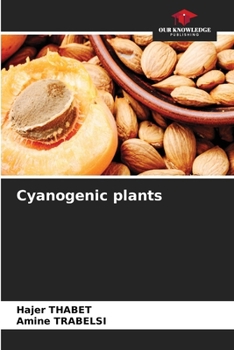
Cyanogenic plants
No Customer Reviews

Cyanide has been present on Earth since before the appearance of life. It is released from a variety of sources, including certain "cyanogenic" plants. These plants store precursor molecules known as cyanogenic glycosides.Over 3,000 plant species contain them. The main cyanogenic plants are Rosaceae (bitter almonds and cherry laurel), Euphorbiaceae (cassava) and Poaceae (sorghum). Their organs (leaves, seeds, roots) contain specific cyanogenic glycosides such as amygdalin or linamarin.Intoxication, whether acute or chronic, depends on the dose ingested. Cyanide's toxicity stems from its blocking of the mitochondrial respiratory chain, resulting in lethal cellular hypoxia. After ingestion, cyanide is rapidly absorbed and metabolized, mainly in the liver, before being eliminated by the kidneys. Acute intoxication manifests as headaches, hyperpnea followed by hypopnea, convulsions and may lead to cardiorespiratory arrest.A thorough understanding of the sources, mechanism of action and toxicokinetics of cyanide is crucial to the effective prevention and management of poisoning.
Format:Paperback
Language:English
ISBN:6630117638
ISBN13:9786630117639
Release Date:June 2026
Publisher:Our Knowledge Publishing
Length:56 Pages
Weight:0.19 lbs.
Dimensions:0.1" x 6.0" x 9.0"
Customer Reviews
0 rating
Copyright © 2026 Thriftbooks.com
Terms of Use | Privacy Policy | Do Not Sell/Share My Personal Information | Cookie Policy | Cookie Preferences | Accessibility Statement
ThriftBooks ® and the ThriftBooks ® logo are registered trademarks of Thrift Books Global, LLC
ThriftBooks ® and the ThriftBooks ® logo are registered trademarks of Thrift Books Global, LLC
