


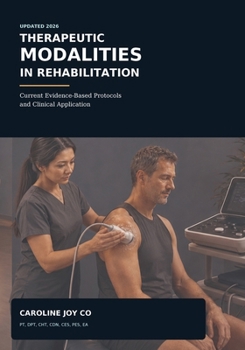
Current Evidence Based Protocols on the Use of Therapeutic Modalities

A therapeutic modality can change symptoms and tissue conditions-but a device is not a plan of care.
Therapeutic Modalities in Rehabilitation gives physical therapists, occupational therapists, hand therapists, assistants, educators, and students a disciplined method for deciding when a modality belongs in treatment, how to deliver a reproducible dose, and when to modify or stop.
This updated, evidence-based clinical reference covers superficial heat, cryotherapy, contrast therapy, paraffin, fluidotherapy, compression, continuous passive motion, traction, hydrotherapy, TENS, IFC, NMES, FES, high-voltage pulsed current, biofeedback, iontophoresis, therapeutic ultrasound, phonophoresis, shortwave diathermy, PEMF, TECAR/CRET, photobiomodulation, low-level light and laser therapy, Class IV/high-intensity laser, extracorporeal shockwave, and radial pressure-wave therapy.
Clinical integration chapters compare options for pain, edema, wound and tissue recovery, muscle activation, motor control, mobility, stiffness, postoperative care, and regional conditions.
Rather than offering preset-driven recipes, the book connects each modality to patient selection, contraindications, precautions, device output, dose, monitoring, reassessment, documentation, and active rehabilitation. A Technology Translation Guide, cross-modality safety matrix, dose worksheet, treatment-response log, documentation models, evidence summaries, and subject index make it practical for the clinic and classroom.
Use this book to move from "Which machine should I use?" to the more defensible questions: "What clinical target am I treating? What exposure am I delivering? How will I know whether it helped?"
Customer Reviews
ThriftBooks ® and the ThriftBooks ® logo are registered trademarks of Thrift Books Global, LLC
