


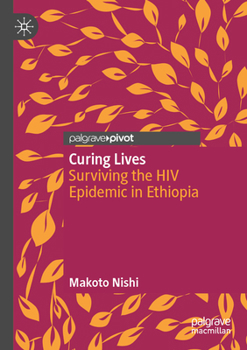
Curing Lives: Surviving the HIV Epidemic in Ethiopia
No Customer Reviews

This is a book about life during the HIV epidemic in Ethiopia, and seeks to understand how and why the global effort to achieve universal HIV treatment has shifted away from its initial focus on the excessive human suffering precipitated by the epidemic. When antiretroviral drugs became available in Ethiopia, they emerged as powerful agents of change: not only did they cure individuals, they also helped people overcome their fear of - and break the silence around - AIDS, while healing the social ruptures caused by the epidemic. Nevertheless, as this book argues, the very same agents have silently "reversed" these changes over the course of the past decade. These reversals have dissolved connections, re-incurred invisible social fissures, and allowed a large majority of people to stay indifferent to the suffering of individuals whose lives remain vulnerable under the current treatment regime. This whole process is a product of neoliberal global health interventions that determine whichlives are worthy or unworthy of investment. This book will interest scholars of biopolitics and public health, those who study the developing world, and those interested in how pandemic interventions alter the lives of many.
Format:Paperback
Language:English
ISBN:9819918332
ISBN13:9789819918331
Release Date:April 2024
Publisher:Palgrave MacMillan
Length:172 Pages
Customer Reviews
0 rating
Copyright © 2026 Thriftbooks.com
Terms of Use | Privacy Policy | Do Not Sell/Share My Personal Information | Cookie Policy | Cookie Preferences | Accessibility Statement
ThriftBooks ® and the ThriftBooks ® logo are registered trademarks of Thrift Books Global, LLC
ThriftBooks ® and the ThriftBooks ® logo are registered trademarks of Thrift Books Global, LLC
