


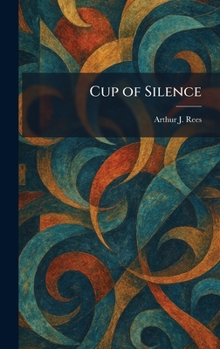
Cup of Silence

"Cup of Silence" is a compelling mystery novel that expertly blends atmospheric tension with the intricate plotting characteristic of early 20th-century detective fiction. Set against the evocative backdrop of the Sussex Downs, the narrative follows a young woman's journey to uncover the truth behind a long-standing family tragedy and the heavy silence that has shrouded her past. As she explores the windswept hills and ancestral legacies of her childhood home, she discovers that some secrets are buried deep for a reason.
Arthur J. Rees, a master of the classic mystery genre, constructs a tale rich in psychological depth and environmental detail. The work emphasizes the weight of unspoken history and the persistent nature of memory. Through a series of startling revelations and carefully paced suspense, "Cup of Silence" explores themes of identity, hidden crime, and the search for resolution in a world where the past and present are inextricably linked. This novel remains a quintessential example of the traditional mystery, offering readers a sophisticated puzzle set within a beautifully rendered English landscape.
This work has been selected by scholars as being culturally important, and is part of the knowledge base of civilization as we know it. This work was reproduced from the original artifact, and remains as true to the original work as possible. Therefore, you may see the original copyright references, library stamps (as most of these works have been housed in our most important libraries around the world), and other notations in the work.
This work is in the public domain in the United States of America, and possibly other nations. Within the United States, you may freely copy and distribute this work, as no entity (individual or corporate) has a copyright on the body of the work.
As a reproduction of a historical artifact, this work may contain missing or blurred pages, poor pictures, errant marks, etc. Scholars believe, and we concur, that this work is important enough to be preserved, reproduced, and made generally available to the public. We appreciate your support of the preservation process, and thank you for being an important part of keeping this knowledge alive and relevant.
Customer Reviews
ThriftBooks® and the ThriftBooks® logo are registered trademarks of Thrift Books Global, LLC
