


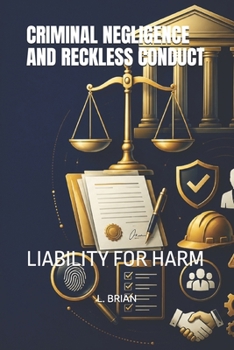
Criminal Negligence and Reckless Conduct: Liability for Harm

Criminal negligence and reckless conduct can lead to serious harm and, in certain circumstances, criminal responsibility. Understanding when careless or risk-taking behavior crosses the boundary from ordinary negligence into criminal liability requires careful consideration of legal standards, foreseeability, causation, and the circumstances surrounding the conduct.
CRIMINAL NEGLIGENCE AND RECKLESS CONDUCT: LIABILITY FOR HARM provides a practical introduction to the legal principles surrounding criminal negligence and recklessness.
Whether you are a law student, legal researcher, criminal justice professional, educator, or reader seeking to understand how harmful conduct can result in criminal liability, this guide provides a useful foundation for exploring this important area of criminal law.
Inside This Book, You Will Learn1. Foundations of Criminal Negligence
Understand how criminal negligence is defined, distinguish civil liability from criminal liability, explore its historical development, and examine the policy considerations behind criminal negligence laws.
2. Standards of Care in Criminal Law
Learn about the reasonable person standard, professional duties, gross negligence, and the role that foreseeability of harm can play in determining criminal responsibility.
3. Recklessness and Criminal Responsibility
Explore subjective and objective recklessness, conscious risk-taking, and the legal thresholds that may distinguish reckless conduct from other forms of negligence.
4. Negligent Homicide and Fatal Incidents
Examine negligent killings, vehicular homicide, workplace fatalities, and medical negligence cases involving deaths or serious harm.
5. Criminal Liability in Professional Practice
Understand potential criminal liability involving healthcare professionals, legal and financial advisors, public officials, and regulatory enforcement.
6. Corporate Negligence and Organizational Liability
Explore corporate manslaughter, systemic failures, safety violations, and accountability mechanisms that may apply when organizational conduct contributes to serious harm.
7. Investigation and Evidence
Learn about expert testimony, accident reconstruction, documentary evidence, and causation analysis used when investigating allegations of criminal negligence or recklessness.
8. Defenses and Mitigating Factors
Explore lack of foreseeability, intervening causes, compliance defenses, and good faith actions that may be relevant when criminal responsibility is disputed.
9. Sentencing and Punishment
Understand sentencing principles, fines and penalties, imprisonment, and rehabilitation measures that may apply following criminal negligence or reckless conduct convictions.
10. Emerging Issues in Negligence Law
Examine legal questions involving autonomous technologies, artificial intelligence risks, public health emergencies, and potential future developments in negligence and criminal liability.
Why This Book Is a Must HaveNot every mistake or careless act results in criminal liability. Criminal negligence and recklessness involve important legal distinctions concerning the degree of risk, the applicable standard of conduct, the foreseeability of harm, and the circumstances in which the conduct occurred.
CRIMINAL NEGLIGENCE AND RECKLESS CONDUCT helps readers understand these distinctions and the legal principles used to determine when harmful conduct may become a criminal offense.
#CriminalNegligence #RecklessConduct #CriminalLaw #CriminalLiability #NegligentHomicide #LegalLiability #CriminalJustice
Related Subjects
LawCustomer Reviews
ThriftBooks ® and the ThriftBooks ® logo are registered trademarks of Thrift Books Global, LLC
