


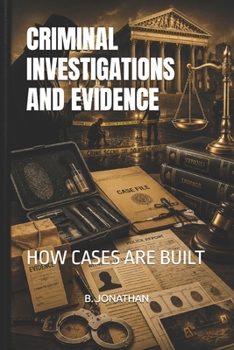
Criminal Investigations and Evidence: How Cases Are Built

Criminal investigations are essential to determining what happened, identifying those responsible, and establishing reliable evidence that can support a criminal case. From the first response at a crime scene to the preparation of an investigation report, every stage can affect the strength, reliability, and fairness of the resulting case.
The book also considers emerging technologies and the challenges of conducting investigations across jurisdictions and national borders.
Whether you are a law student, criminal justice student, investigator, legal professional, researcher, or reader interested in how criminal cases are developed, this guide provides a practical foundation for understanding the investigative process and the important role evidence plays in criminal justice.
Inside This Book, You Will Learn1. Introduction to Criminal Investigations
Understand the purpose of criminal investigations and the principles of fact-finding used to establish relevant information.
2. Crime Scene Management
Learn how crime scenes may be secured, documented, and protected to preserve evidence and maintain its reliability.
3. Collection of Physical Evidence
Explore different forms of physical evidence and understand basic principles for handling, documenting, storing, and preserving evidence.
4. Witnesses and Statements
Examine how investigators identify witnesses, obtain relevant information, and record statements during an investigation.
5. Forensic Science in Criminal Cases
Explore scientific examination methods and understand how forensic findings and expert evidence may contribute to criminal cases.
6. Searches and Seizures
Understand the legal requirements surrounding searches and seizures and examine how property and potential evidence may be lawfully obtained.
7. Digital and Electronic Evidence
Learn about evidence from computers, mobile devices, social media, online accounts, and other digital sources used in modern investigations.
8. Investigative Techniques
Explore investigative approaches such as surveillance and undercover operations, together with the legal and practical considerations surrounding their use.
9. Building a Prosecutable Case
Understand how investigators evaluate evidence, organize findings, and prepare investigation reports that may support further criminal proceedings.
10. Challenges in Modern Criminal Investigations
Examine emerging technologies, digital investigations, international cooperation, and the challenges associated with cross-border criminal investigations.
Why This Book Is a Must-HaveA criminal case is often built through many interconnected stages of investigation. The way evidence is discovered, collected, preserved, examined, and presented can influence whether information is considered reliable and whether a case can progress successfully.
Whether you are studying law or criminal justice, preparing for investigative work, conducting academic research, working in a legal environment, or simply interested in how criminal cases are developed, this book provides a practical introduction to the investigative process and the role of evidence in building a case.
#CriminalInvestigations #CriminalEvidence #ForensicScience #CrimeSceneInvestigation #DigitalEvidence #CriminalJustice #LawStudents
Related Subjects
LawCustomer Reviews
ThriftBooks ® and the ThriftBooks ® logo are registered trademarks of Thrift Books Global, LLC
