


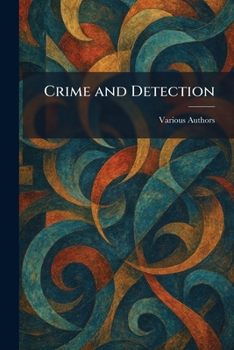
Crime and Detection

Select Format
Select Condition 
Book Overview
"Crime and Detection" is a compelling anthology that brings together some of the most influential examples of mystery and detective fiction. This collection showcases the evolution of the genre, featuring a diverse range of stories that explore the intricacies of criminal investigation and the brilliance of the detective mind.
Readers will encounter classic tales of suspense, complex puzzles, and the atmospheric settings that defined early 20th-century crime literature. From locked-room mysteries to psychological thrillers, this volume provides a comprehensive look at the art of the whodunit. By presenting works from various masters of the craft, "Crime and Detection" highlights the literary techniques and narrative structures that continue to shape modern mystery writing.
This collection is an essential resource for fans of classic noir and traditional detective fiction, offering a timeless exploration of justice, intellect, and the human condition. The stories included serve as a testament to the enduring appeal of the mystery genre, inviting readers to sharpen their wits alongside some of literature's most iconic sleuths.
This work has been selected by scholars as being culturally important, and is part of the knowledge base of civilization as we know it. This work was reproduced from the original artifact, and remains as true to the original work as possible. Therefore, you may see the original copyright references, library stamps (as most of these works have been housed in our most important libraries around the world), and other notations in the work.
This work is in the public domain in the United States of America, and possibly other nations. Within the United States, you may freely copy and distribute this work, as no entity (individual or corporate) has a copyright on the body of the work.
As a reproduction of a historical artifact, this work may contain missing or blurred pages, poor pictures, errant marks, etc. Scholars believe, and we concur, that this work is important enough to be preserved, reproduced, and made generally available to the public. We appreciate your support of the preservation process, and thank you for being an important part of keeping this knowledge alive and relevant.
Customer Reviews
ThriftBooks ® and the ThriftBooks ® logo are registered trademarks of Thrift Books Global, LLC
