


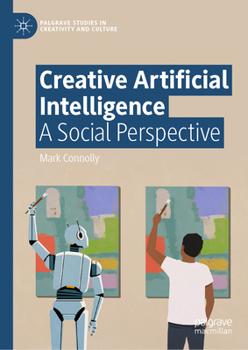
Creative Artificial Intelligence: A Social Perspective

This book examines the social, cultural and economic implications of the emergence of AI for creative work. It conceptualises creativity as a form of social communication, offering a framework for understanding contemporary philosophical, political-economic, legal and policy debates regarding the impact of AI on creative work. This social approach bypasses speculation in relation to the internal states of humans and machines and, instead, focuses on how AI's prolific production is recasting how we define, distinguish and reward human creativity. It illustrates how, at the present level of AI, the metaphor of the tool is buckling, resulting in the destabilisation of normative understandings and legal frameworks forged upon this and romantic accounts of authorship. The book speculates that these destabilisations will result in new forms of creative expression and new economic models for rewarding creative work. Crucially, it argues that because machines are not fully immersed in society, their creative capacities are distinct from those of humans.
The book resists and critiques discourses of technological inevitability and warns that, without regulation, the monopolization of data will have damaging social and economic outcomes generally and in relation to creative work specifically. Aimed at academics, students, policymakers, and practitioners in creativity studies, cultural studies, computer studies and AI, this timely volume offers a unique social perspective on how AI is reframing how we understand creativity and reward creative work.
Customer Reviews
ThriftBooks ® and the ThriftBooks ® logo are registered trademarks of Thrift Books Global, LLC
