


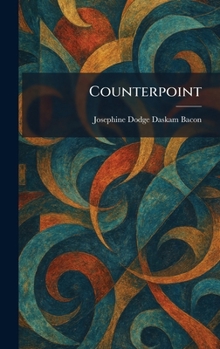
Counterpoint

In "Counterpoint", Josephine Dodge Daskam Bacon presents a sophisticated and lyrical exploration of the intersection between art and life. Set within the prestigious and often tumultuous world of professional music, the novel follows the complex interweaving lives of talented musicians, including opera singers and conductors, as they navigate the demands of their craft and the desires of their hearts.
The narrative captures the vibrant atmosphere of the early 20th-century artistic scene, offering a deep dive into the discipline, passion, and rivalry that define the lives of those dedicated to high art. Bacon's prose masterfully balances the technical beauty of musical composition with the raw, emotional counterpoint of her characters' personal journeys. As the world around them shifts in the wake of global change, these individuals must decide what they are willing to sacrifice for greatness and whether love can survive the ego-driven pursuit of perfection.
"Counterpoint" stands as a testament to Bacon's keen observational skills and her ability to depict the nuances of social class and professional ambition. It is a compelling work of literary fiction that resonates with anyone fascinated by the sacrifices of the creative soul and the timeless drama of the human experience.
This work has been selected by scholars as being culturally important, and is part of the knowledge base of civilization as we know it. This work was reproduced from the original artifact, and remains as true to the original work as possible. Therefore, you may see the original copyright references, library stamps (as most of these works have been housed in our most important libraries around the world), and other notations in the work.
This work is in the public domain in the United States of America, and possibly other nations. Within the United States, you may freely copy and distribute this work, as no entity (individual or corporate) has a copyright on the body of the work.
As a reproduction of a historical artifact, this work may contain missing or blurred pages, poor pictures, errant marks, etc. Scholars believe, and we concur, that this work is important enough to be preserved, reproduced, and made generally available to the public. We appreciate your support of the preservation process, and thank you for being an important part of keeping this knowledge alive and relevant.
Customer Reviews
ThriftBooks ® and the ThriftBooks ® logo are registered trademarks of Thrift Books Global, LLC
