


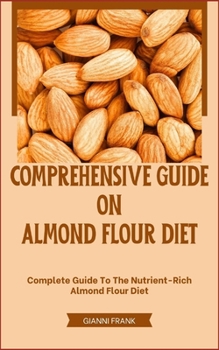
Comprehensive Guide on Almond Flour Diet: Complete Guide To The Nutrient-Rich Almond Flour Diet
No Customer Reviews

Almond flour, often called almond meal, is a form of flour created by grinding almonds into a very fine powder. It is frequently substituted for wheat flour in recipes when gluten-free ingredients are desired. Blanching almonds (to remove their skins) and then grinding them into a fine powder is how almond flour is formed.
Gluten-free, paleo, and low-carb diets are just a few of the many eating plans that benefit from almond flour's nutritional benefits and adaptability. It's great for a variety of dishes due to its mild sweetness and nutty texture.
Almond flour's high nutritional content is one of its many benefits. It's a great source of heart-healthy lipids like omega-3 fatty acids and monounsaturated fats. The protein, fibre, vitamin E, and mineral content of almond flour includes important electrolytes like magnesium and potassium.
Because it contains no gluten, almond flour has a different texture and consistency than wheat flour and should be treated as such when substituting the two. Proteins like gluten give baked goods their characteristic structure and chewiness. Therefore, you may need to alter the recipe's proportions or add binding agents like eggs or xanthan gum to get the proper texture when using almond flour.
Almond flour, taken as a whole, is a healthy and adaptable ingredient that can be used in many baked goods, breakfast foods, and savoury recipes. It's a great option for people who can't eat gluten and gives baked items a lovely nutty flavor.
Gluten-free, paleo, and low-carb diets are just a few of the many eating plans that benefit from almond flour's nutritional benefits and adaptability. It's great for a variety of dishes due to its mild sweetness and nutty texture.
Almond flour's high nutritional content is one of its many benefits. It's a great source of heart-healthy lipids like omega-3 fatty acids and monounsaturated fats. The protein, fibre, vitamin E, and mineral content of almond flour includes important electrolytes like magnesium and potassium.
Because it contains no gluten, almond flour has a different texture and consistency than wheat flour and should be treated as such when substituting the two. Proteins like gluten give baked goods their characteristic structure and chewiness. Therefore, you may need to alter the recipe's proportions or add binding agents like eggs or xanthan gum to get the proper texture when using almond flour.
Almond flour, taken as a whole, is a healthy and adaptable ingredient that can be used in many baked goods, breakfast foods, and savoury recipes. It's a great option for people who can't eat gluten and gives baked items a lovely nutty flavor.
Format:Paperback
Language:English
ISBN:B0CCZYVZB1
ISBN13:9798853295391
Release Date:July 2023
Publisher:Independently Published
Length:78 Pages
Weight:0.19 lbs.
Dimensions:0.2" x 5.0" x 8.0"
Customer Reviews
0 rating
Copyright © 2026 Thriftbooks.com Terms of Use
| Privacy Policy | Do Not
Sell/Share My Personal Information | Cookie Policy | Cookie Preferences | Accessibility Statement
ThriftBooks® and the ThriftBooks® logo are registered trademarks of Thrift Books Global, LLC
ThriftBooks® and the ThriftBooks® logo are registered trademarks of Thrift Books Global, LLC
