


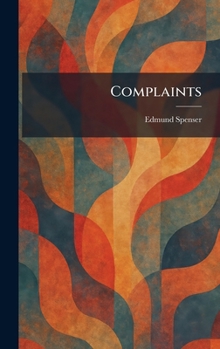
Complaints

"Complaints" is a compelling collection of shorter poems by Edmund Spenser, one of the most influential figures in English literature. Composed of diverse works that meditate on the transitory nature of life and the vanity of human ambition, this volume showcases Spenser's mastery of verse and his keen interest in moral allegory. The collection includes notable pieces such as "The Ruines of Time," "The Teares of the Muses," and the celebrated satirical beast fable "Mother Hubberds Tale."
Through these poems, Spenser navigates themes of social injustice, the neglect of the arts, and the inevitable decay of earthly structures. From the mournful reflections of "The Ruines of Rome" to the intricate symbolism of "Muiopotmos, or the Fate of the Butterflie," the work offers a profound window into the Elizabethan worldview. "Complaints" serves as an essential companion to Spenser's epic work, providing a more intimate and often sharper perspective on the political and cultural landscape of the Renaissance. This collection remains a vital study for readers of classic poetry and those interested in the development of the English literary tradition.
This work has been selected by scholars as being culturally important, and is part of the knowledge base of civilization as we know it. This work was reproduced from the original artifact, and remains as true to the original work as possible. Therefore, you may see the original copyright references, library stamps (as most of these works have been housed in our most important libraries around the world), and other notations in the work.
This work is in the public domain in the United States of America, and possibly other nations. Within the United States, you may freely copy and distribute this work, as no entity (individual or corporate) has a copyright on the body of the work.
As a reproduction of a historical artifact, this work may contain missing or blurred pages, poor pictures, errant marks, etc. Scholars believe, and we concur, that this work is important enough to be preserved, reproduced, and made generally available to the public. We appreciate your support of the preservation process, and thank you for being an important part of keeping this knowledge alive and relevant.
Customer Reviews
ThriftBooks ® and the ThriftBooks ® logo are registered trademarks of Thrift Books Global, LLC
