


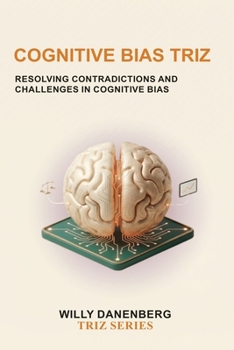
Cognitive Bias TRIZ: Resolving Decision-Making Contradictions Through Systematic Thinking

Cognitive Bias TRIZ by Willy Danenberg delivers a groundbreaking framework that fuses the systematic power of TRIZ problem-solving methodology with rigorous cognitive bias awareness, creating an entirely new discipline for compliance and cybersecurity professionals who face high-stakes contradictions every day.
Human decision-making is riddled with mental shortcuts that quietly undermine security postures, regulatory outcomes, and risk assessments. Confirmation bias distorts threat evaluations. Availability bias skews incident prioritization. Anchoring bias locks teams into outdated compliance assumptions. This comprehensive reference exposes precisely how these hidden biases manifest in professional GRC environments and provides systematic, repeatable tools to counteract them.
Identify and neutralize cognitive biases embedded in security and compliance workflowsApply TRIZ contradiction-resolution techniques to seemingly impossible regulatory trade-offsBuild bias-aware decision cultures across organizational levelsStrengthen evidence-based thinking in risk, ethics, and governance contextsMake defensible, auditable decisions under conditions of deep uncertaintyStructured across three comprehensive parts - Foundations, Core Principles, and TRIZ Contradictions - this reference guides practitioners from conceptual grounding through applied resolution strategies. Each chapter bridges theory and real-world GRC practice, equipping security leaders, compliance officers, and risk managers with tools that are both intellectually rigorous and immediately actionable.
Whether you are navigating regulatory audits, designing security controls, or resolving cross-functional compliance conflicts, this book transforms how you approach every decision that matters.
What Readers Say"An exceptional framework that transforms cognitive bias from an abstract psychological concept into a practical methodology for making better decisions under real-world uncertainty."
"This book successfully bridges the gap between TRIZ, behavioral science, and executive decision-making. A valuable resource for leaders responsible for high-impact decisions."
"Few books explain why intelligent people repeatedly make poor decisions-and even fewer provide a systematic method for preventing them. This one does both remarkably well."
Customer Reviews
ThriftBooks ® and the ThriftBooks ® logo are registered trademarks of Thrift Books Global, LLC
