


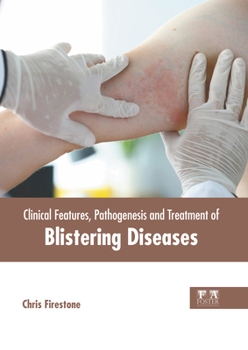
Clinical Features, Pathogenesis and Treatment of Blistering Diseases
No Customer Reviews

Blister is the rounded elevation of the skin that contains clear fluid, caused by a separation between the epidermis and the dermis layers of the skin. Blistering diseases are a heterogenous group of disorders that are characterized by the formation of blisters and bullae in the skin and mucous membranes. Some of the blistering diseases are pemphigus, paraneoplastic pemphigus, bullous pemphigoid, cicatricial pemphigoid, linear IgA bullous disease, porphyria cutanea tarda, and subcorneal pustular dermatitis. Pemphigus is a rare group of blistering autoimmune diseases that are characterized by a loss of normal cell-cell adhesion (acantholysis), and by the presence of disease causing autoantibodies reacting against epithelial adhesion molecules. Examination of skin or mucous membrane biopsy helps in diagnosing blistering diseases. They can be treated by the administration of oral steroids such as prednisone. This book contains some path-breaking studies related to the clinical features, pathogenesis and treatment of blistering diseases. It will serve as a reference to a broad spectrum of readers.
Format:Hardcover
Language:English
ISBN:1646465903
ISBN13:9781646465903
Release Date:September 2023
Publisher:Foster Academics
Length:258 Pages
Weight:1.97 lbs.
Dimensions:0.6" x 8.5" x 11.0"
Customer Reviews
0 rating
Copyright © 2026 Thriftbooks.com Terms of Use
| Privacy Policy | Do Not
Sell/Share My Personal Information | Cookie Policy | Cookie Preferences | Accessibility Statement
ThriftBooks® and the ThriftBooks® logo are registered trademarks of Thrift Books Global, LLC
ThriftBooks® and the ThriftBooks® logo are registered trademarks of Thrift Books Global, LLC
