


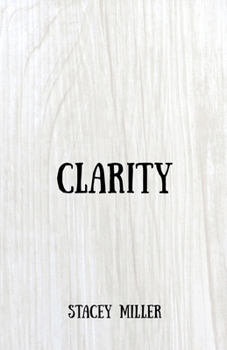
Clarity

At first, nothing is wrong.
A relationship brings calm. Conversations become easier. Emotions stop spiraling. Decisions settle quickly, cleanly, without residue. What once felt overwhelming now feels manageable-finally, mercifully quiet.
Told from the perspective of someone who prides themselves on reason, Clarity follows the slow transformation of a life streamlined in the name of emotional health. Memories are reframed. Reactions are softened. Conflict disappears-not through force, but through understanding.
Everything improves.
As the narrator guides another person toward stability, the reader is invited into a voice that sounds ethical, careful, and deeply kind. There are no raised voices. No obvious cruelty. Only reassurance, explanation, and relief.
But clarity has a cost.
What begins as support becomes interpretation. What feels like care becomes authority. And by the time the system is complete, there is no longer a way to tell what was healed-and what was quietly removed.
Clarity is a psychological thriller about control without violence, harm without intent, and the danger of a life that makes perfect sense. It asks an unsettling question:
If peace requires erasure, is it still peace?
Quiet, precise, and deeply unsettling, Clarity lingers long after the final page-because nothing in it ever breaks the rules.
Customer Reviews
ThriftBooks® and the ThriftBooks® logo are registered trademarks of Thrift Books Global, LLC
