





Book Overview
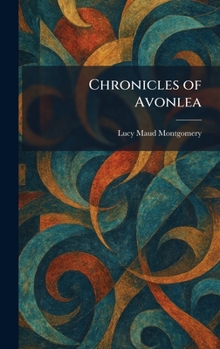
"Chronicles of Avonlea" is a delightful collection of short stories set in the charming fictional community of Avonlea on Prince Edward Island. Written by the celebrated Canadian author L.M. Montgomery, these twelve tales offer a deeper look into the lives of the colorful residents who populate the world of Anne Shirley. While Anne herself makes several appearances, the stories focus primarily on the eccentricities, romances, and moral dilemmas of the people of Avonlea. From the humorous misunderstandings of "The Hurrying of Ludovic" to the poignant resolution of "The Courting of Prissy Strong," Montgomery captures the essence of rural life with her signature wit and lyrical prose.
Readers are invited to explore a world where the beauty of the natural landscape mirrors the emotional depth of its inhabitants. These stories blend lighthearted comedy with heartwarming drama, exploring themes of love, forgiveness, and the enduring bonds of community. "Chronicles of Avonlea" remains a beloved classic of early twentieth-century literature, perfect for fans of the Anne Shirley series and those who appreciate masterful storytelling about the intricacies of the human heart in a simpler time.
This work has been selected by scholars as being culturally important, and is part of the knowledge base of civilization as we know it. This work was reproduced from the original artifact, and remains as true to the original work as possible. Therefore, you may see the original copyright references, library stamps (as most of these works have been housed in our most important libraries around the world), and other notations in the work.
This work is in the public domain in the United States of America, and possibly other nations. Within the United States, you may freely copy and distribute this work, as no entity (individual or corporate) has a copyright on the body of the work.
As a reproduction of a historical artifact, this work may contain missing or blurred pages, poor pictures, errant marks, etc. Scholars believe, and we concur, that this work is important enough to be preserved, reproduced, and made generally available to the public. We appreciate your support of the preservation process, and thank you for being an important part of keeping this knowledge alive and relevant.
Customer Reviews
Not enjoyable at all
lovely avonlea stories
Anne Shirley, Old Lady Lloyd and Montgomery's other folks of Avonlea
Another Heartwarmer by Lucy
Short stories to warm your soul.
ThriftBooks ® and the ThriftBooks ® logo are registered trademarks of Thrift Books Global, LLC
