


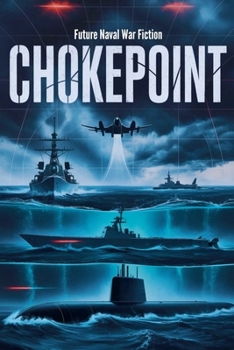
Chokepoint - Future Naval War Fiction

CHOKEPOINT
Three oceans. Seventy-two hours. One officer holding the map.
Captain Wren Sabolcik is six weeks into a Pentagon desk assignment she never wanted when she spots something in the overnight message traffic that every analyst in the building has dismissed as routine. A Chinese naval exercise. An Iranian live-fire drill. A Russian submarine sortie. Three nations, three oceans, three events that have never converged like this before.
No one listens. Then, within forty-eight hours, her assessment is proven right in the worst possible way. Chinese submarines seal the Taiwan Strait. Iranian forces flood the Strait of Hormuz. Russian attack boats push into the North Atlantic toward targets that should have been unthinkable.
The world's three most critical maritime chokepoints are under simultaneous threat, and the United States Navy does not have enough ships to defend all of them.
Thrust from her desk to the center of the crisis, Sabolcik must answer the question no officer wants to face: if the fleet can only fight at full strength in one ocean, which allies are left outnumbered, which ships are left exposed, and how many sailors pay the price?
From a windowless command center, she will track a war she helped shape across three oceans, hear pilots fight on radio circuits from five thousand miles away, and carry the names of the dead in a notepad she never puts down.
Customer Reviews
ThriftBooks® and the ThriftBooks® logo are registered trademarks of Thrift Books Global, LLC
