


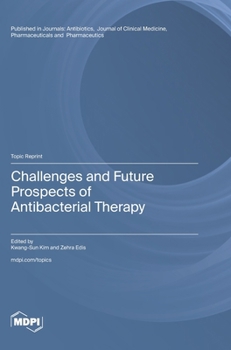
Challenges and Future Prospects of Antibacterial Therapy

This collection of research addresses the escalating crisis of multidrug resistance (MDR) through an interdisciplinary strategy that integrates molecular discovery, clinical safety, and advanced nanotechnology. The work explores the development of next-generation antimicrobial agents, including dual-targeting sulfamethoxazole derivatives that bypass metabolic resistance and lytic phages with a broad host range for treating Mycobacterium infections. Alongside these innovations, the papers evaluate the clinical safety of existing therapies, specifically identifying renal impairment and bacteremia as key risk factors for linezolid-associated thrombocytopenia and optimizing therapeutic protocols for tuberculous meningitis. Furthermore, nanotechnology is leveraged for both protective and diagnostic purposes, ranging from the use of chitosan nanoparticles for in vivo antigenotoxicity to the development of fluorescent nanoprobes that enable live-cell super-resolution imaging, providing a holistic framework for managing complex infectious diseases.
Customer Reviews
ThriftBooks ® and the ThriftBooks ® logo are registered trademarks of Thrift Books Global, LLC
