


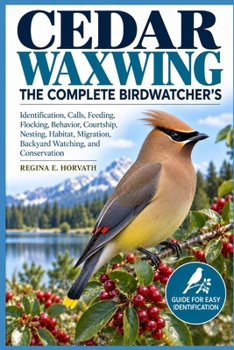
Cedar Waxwing: The Complete Birdwatcher's: Identification, Calls, Feeding, Flocking Behavior, Courtship, Nesting, Habitat, Migration, Backyard Watchin

With its silky plumage, distinctive crest, black mask, yellow-tipped tail, and remarkable attraction to fruiting trees, the Cedar Waxwing is a bird that can transform an ordinary day outdoors into an unforgettable wildlife encounter.
This comprehensive guide offers birdwatchers, nature enthusiasts, backyard observers, and curious beginners an engaging introduction to the life of this graceful and highly social species.
Written in a clear and accessible style, the book goes beyond simple identification to explore the behavior, movements, feeding strategies, communication, breeding habits, seasonal patterns, and natural environments that shape the Cedar Waxwing's life.
Inside this guide, you will explore:Identification and Appearance
Learn how to recognize Cedar Waxwings by their size, shape, coloration, crest, facial markings, wing patterns, tail markings, and other useful field characteristics.Habitat and Geographic Range
Understand where Cedar Waxwings live, the environments they prefer, how their distribution changes throughout the year, and the places where observers are most likely to encounter them.Feeding and Foraging Behavior
Explore their strong relationship with berries and fruit, their seasonal use of insects, flock feeding, aerial foraging, and the natural food sources that influence their movements.Calls, Communication, and Social Life
Discover how these remarkably social birds communicate, maintain flocks, interact while feeding, and coordinate their movements.Courtship, Nesting, and Breeding
Follow the breeding cycle from pair formation and courtship behavior through nest construction, egg laying, incubation, chick development, and the challenges involved in successfully raising young.Seasonal Movements and Migration
Learn why Cedar Waxwings can sometimes seem abundant and then suddenly disappear, and how weather, food availability, season, and geography influence their movements.Birdwatching and Field Observation
Develop practical observation skills for finding waxwings, recognizing their behavior, watching flocks responsibly, and understanding what you see in the field.Backyard Habitat and Responsible Appreciation
Explore ways to create a more bird-friendly environment while supporting natural feeding opportunities and responsible wildlife observation.Conservation and Environmental Challenges
Gain a clearer understanding of the pressures wild birds face and why suitable habitat, native vegetation, responsible land management, and informed conservation remain important. A Guide for Both New and Experienced BirdwatchersYou do not need years of field experience to enjoy Cedar Waxwings. Their striking appearance, flocking behavior, distinctive calls, and close relationship with fruiting trees make them especially rewarding birds to observe.
Whether you are trying to identify a mysterious flock in your backyard, improve your birdwatching skills, understand seasonal movements, or simply learn more about the wildlife around you, this guide provides the knowledge needed to observe Cedar Waxwings with greater confidence and appreciation.
Step outside, look toward the berry-filled trees, listen for the thin calls overhead, and discover the remarkable world of the Cedar Waxwing.
Customer Reviews
ThriftBooks ® and the ThriftBooks ® logo are registered trademarks of Thrift Books Global, LLC
