


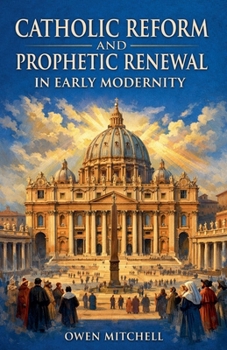
Catholic Reform and Prophetic Renewal in Early Modernity

This book approaches Catholic reform as a multifaceted phenomenon that cannot be reduced to any single narrative or agenda. It was simultaneously a movement of spiritual deepening, as mystics like Teresa of vila and John of the Cross articulated sophisticated theologies of prayer and union with God; a program of institutional restructuring, as the Council of Trent reformed clerical education, sacramental discipline, and episcopal governance; a missionary expansion, as new religious orders carried Catholicism to Asia, Africa, and the Americas; a cultural transformation, as the baroque aesthetic expressed reformed Catholic piety in art, architecture, and music; and a social movement, as figures like Vincent de Paul and Louise de Marillac organized systematic responses to poverty and disease. These different dimensions of reform were not separate tracks but interpenetrating realities, and the book will trace the connections among them.
The pages that follow trace the story of this prophetic renewal through representative figures and movements, beginning with the late medieval inheritance that shaped early modern reform efforts, examining major personalities like Savonarola, Ignatius, Teresa, and Vincent de Paul, analyzing the Council of Trent and its implementation, exploring missionary expansion and cultural encounter, and investigating the boundaries of acceptable mysticism through contested movements like Quietism and Jansenism. Each chapter can be read independently, but together they form a comprehensive account of one of the most transformative periods in Catholic history, a time when prophetic voices and reform movements reshaped the Church in ways that continue to resonate centuries later.
Customer Reviews
ThriftBooks® and the ThriftBooks® logo are registered trademarks of Thrift Books Global, LLC
