


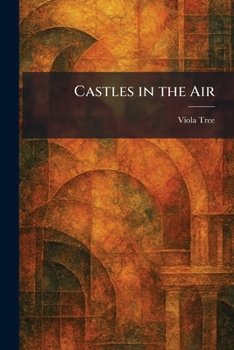
Castles in the Air

"Castles in the Air" is an engaging and intimate memoir by Viola Tree, the talented daughter of the renowned actor-manager Sir Herbert Beerbohm Tree. Through a series of candid letters and diary entries, the work documents Tree's determined pursuit of a career in opera, specifically focusing on her time spent in Italy for rigorous vocal training. The narrative captures the essence of a young woman's artistic ambition as she navigates the complexities of the musical world and the expectations of her distinguished lineage.
With a voice that is both witty and perceptive, Tree provides a vivid account of the social and cultural landscapes of the early twentieth century. The text serves as a fascinating window into the realities of operatic study, the nuances of international travel in the 1920s, and the personal sacrifices involved in the quest for professional excellence. "Castles in the Air" is a compelling resource for readers interested in theatrical history, the development of vocal performers, and the personal histories of influential figures in the performing arts. It stands as a testament to the enduring allure of the stage and the persistent search for a unique creative identity.
This work has been selected by scholars as being culturally important, and is part of the knowledge base of civilization as we know it. This work was reproduced from the original artifact, and remains as true to the original work as possible. Therefore, you may see the original copyright references, library stamps (as most of these works have been housed in our most important libraries around the world), and other notations in the work.
This work is in the public domain in the United States of America, and possibly other nations. Within the United States, you may freely copy and distribute this work, as no entity (individual or corporate) has a copyright on the body of the work.
As a reproduction of a historical artifact, this work may contain missing or blurred pages, poor pictures, errant marks, etc. Scholars believe, and we concur, that this work is important enough to be preserved, reproduced, and made generally available to the public. We appreciate your support of the preservation process, and thank you for being an important part of keeping this knowledge alive and relevant.
Customer Reviews
ThriftBooks ® and the ThriftBooks ® logo are registered trademarks of Thrift Books Global, LLC
