


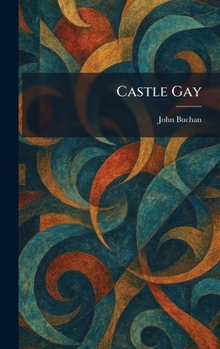
Castle Gay

In "Castle Gay", John Buchan returns to the rugged landscapes of the Scottish Lowlands for a masterfully woven tale of international intrigue and high-spirited adventure. As a sequel to the beloved "Huntingtower", the story reunites readers with the retired grocer Dickson McCunn and the now-grown members of the Gorbals Die-hards. The narrative revolves around Thomas Carlyle Craw, a powerful but reclusive newspaper magnate who resides in the secluded fortress of Castle Gay. When Craw is unexpectedly caught up in a series of misunderstandings and a kidnapping plot, it triggers a chain of events involving a monarchist revolution in the fictional Eastern European state of Evallonia.
Buchan expertly blends the charm of a Scottish pastoral with the tension of a political thriller. As McCunn and his companions navigate a web of secret identities and diplomatic stakes, the novel explores themes of loyalty, the power of the press, and the enduring spirit of youth. Characterized by its vivid descriptions and engaging pacing, "Castle Gay" remains a classic example of early twentieth-century British fiction, showcasing the storytelling prowess that established Buchan as a pioneer of the modern thriller genre.
This work has been selected by scholars as being culturally important, and is part of the knowledge base of civilization as we know it. This work was reproduced from the original artifact, and remains as true to the original work as possible. Therefore, you may see the original copyright references, library stamps (as most of these works have been housed in our most important libraries around the world), and other notations in the work.
This work is in the public domain in the United States of America, and possibly other nations. Within the United States, you may freely copy and distribute this work, as no entity (individual or corporate) has a copyright on the body of the work.
As a reproduction of a historical artifact, this work may contain missing or blurred pages, poor pictures, errant marks, etc. Scholars believe, and we concur, that this work is important enough to be preserved, reproduced, and made generally available to the public. We appreciate your support of the preservation process, and thank you for being an important part of keeping this knowledge alive and relevant.
Customer Reviews
ThriftBooks ® and the ThriftBooks ® logo are registered trademarks of Thrift Books Global, LLC
