


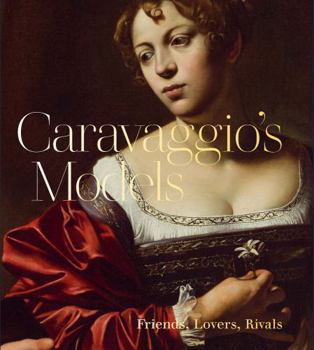
Caravaggio's Models: Friends, Lovers, Rivals

A groundbreaking investigation into the identity of the people who posed for Caravaggio and their influence on one of history's most revolutionary artists
Michelangelo Merisi da Caravaggio (1571-1610) is renowned as one of the greatest painters of the Italian Baroque. This volume offers the first sustained study of the individuals who posed for the artist. New art-historical research combined with a close analysis of key paintings--including Martha and Mary Magdalene, Saint Catherine of Alexandria, and Madonna di Loreto--uncovers the identities, biographies, and social networks of Caravaggio's models. Repositioning the artist's work within the lived realities of the people who shaped it, many of whom occupied economically or socially marginalized positions, the essays address themes such as the politics of display, poverty, homosexuality, spirituality, and the creation of identity through images. In doing so, they situate Caravaggio's practice within the broader cultural fabric of seventeenth-century Europe.
This revelatory study:
- Challenges longstanding conceptions of artistic authorship
- Considers how Caravaggio's commitment to realism emerged from sustained engagement with specific individuals
- Adds a new dimension to the larger conversation around identity, representation, and artistic production in early modern Europe
Published in association with the Detroit Institute of Arts
Exhibition Schedule:
Detroit Institute of Arts
March 21-July 18, 2027
Customer Reviews
ThriftBooks ® and the ThriftBooks ® logo are registered trademarks of Thrift Books Global, LLC
