


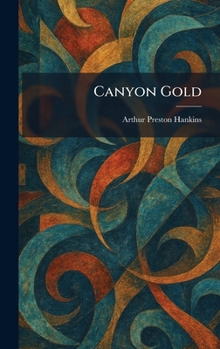
Canyon Gold

"Canyon Gold" is a gripping Western adventure that transports readers to the rugged landscapes of the American frontier. Written by Arthur Preston Hankins, this tale weaves a narrative of suspense and high-stakes ambition centered around the timeless lure of hidden riches. The story follows determined characters as they navigate the treacherous terrains of deep canyons and desolate wilderness in search of legendary gold deposits.
As the search for wealth intensifies, the novel explores themes of greed, perseverance, and the harsh realities of life in the Old West. Hankins masterfully captures the atmosphere of the era, blending action with a keen sense of place and character depth. From tense encounters with outlaws to the internal struggles of men driven by the promise of a fortune, "Canyon Gold" offers a classic exploration of the pioneer spirit and the dangers that lurk in the pursuit of one's dreams. This work remains a significant example of early 20th-century Western fiction, appealing to readers who enjoy tales of grit, exploration, and the enduring mystery of the untamed frontier.
This work has been selected by scholars as being culturally important, and is part of the knowledge base of civilization as we know it. This work was reproduced from the original artifact, and remains as true to the original work as possible. Therefore, you may see the original copyright references, library stamps (as most of these works have been housed in our most important libraries around the world), and other notations in the work.
This work is in the public domain in the United States of America, and possibly other nations. Within the United States, you may freely copy and distribute this work, as no entity (individual or corporate) has a copyright on the body of the work.
As a reproduction of a historical artifact, this work may contain missing or blurred pages, poor pictures, errant marks, etc. Scholars believe, and we concur, that this work is important enough to be preserved, reproduced, and made generally available to the public. We appreciate your support of the preservation process, and thank you for being an important part of keeping this knowledge alive and relevant.
Customer Reviews
ThriftBooks ® and the ThriftBooks ® logo are registered trademarks of Thrift Books Global, LLC
