




Book Overview
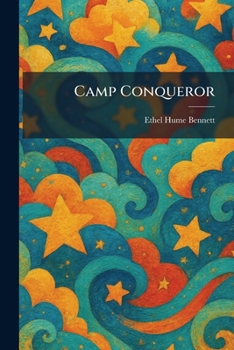
"Camp Conqueror" is a spirited tale of adventure and camaraderie set against the backdrop of a girls' summer camp in the early 20th century. Written by Ethel Hume Bennett, the story captures the transformative experience of life in the great outdoors, where young women are challenged to develop leadership, physical prowess, and lasting friendships. The narrative follows the campers as they engage in traditional activities such as canoeing, hiking, and woodcraft, all while navigating the social dynamics and personal growth that come with a season away from home.
The work stands as a classic example of early outdoor fiction for girls, emphasizing values of independence, teamwork, and a deep appreciation for the natural world. Through the lens of summer camp traditions, "Camp Conqueror" explores the transition from childhood to adolescence, highlighting the conqueror spirit required to master new skills and overcome personal hurdles. This charming story remains a vibrant look at the historical roots of the organized camping movement and the enduring appeal of the wilderness experience. Readers interested in vintage youth literature and stories of feminine pluck will find this a rewarding journey into a bygone era of adventure.
This work has been selected by scholars as being culturally important, and is part of the knowledge base of civilization as we know it. This work was reproduced from the original artifact, and remains as true to the original work as possible. Therefore, you may see the original copyright references, library stamps (as most of these works have been housed in our most important libraries around the world), and other notations in the work.
This work is in the public domain in the United States of America, and possibly other nations. Within the United States, you may freely copy and distribute this work, as no entity (individual or corporate) has a copyright on the body of the work.
As a reproduction of a historical artifact, this work may contain missing or blurred pages, poor pictures, errant marks, etc. Scholars believe, and we concur, that this work is important enough to be preserved, reproduced, and made generally available to the public. We appreciate your support of the preservation process, and thank you for being an important part of keeping this knowledge alive and relevant.
Customer Reviews
ThriftBooks ® and the ThriftBooks ® logo are registered trademarks of Thrift Books Global, LLC
