


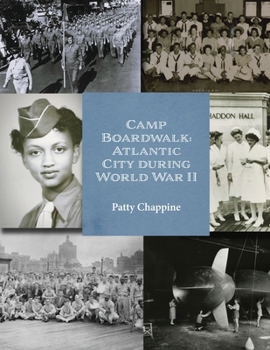
Camp Boardwalk

After the Japanese attack on Pearl Harbor on December 7, 1941, the United States home front transformed to meet the challenges of war. As each state faced mobilization and civil defense in different ways, New Jersey's unique geography, especially its vast shoreline, offered both obstacles and opportunities. Within this climate, Atlantic City, New Jersey, formed an essential part of the war effort. By June of 1942, the shore community was transformed into a military base, training area, and recovery and rehabilitation center. The Army's Basic Training Center No. 7 took over, earning Atlantic City the nickname "Camp Boardwalk." Local hotels converted to house military personnel, renting their rooms to the U.S. government for $1 per day. This catalog is a companion to the exhibit Camp Boardwalk: Atlantic City during World War II, originally displayed at Stockton University's Noyes Arts Garage in Atlantic City. It presents the narrative of a shore community that hung up the glitz and glamor of its extravagant hotels and transformed into an important military hub. The community, both in Atlantic City and surrounding towns, came together in a display of home front cooperation and activism unprecedented in scale and complexity. With the historic significance of Atlantic City's wartime transformation, the voices of
men and women who lived, worked, volunteered, and trained in the city take center stage in this narrative.
Related Subjects
HistoryCustomer Reviews
ThriftBooks ® and the ThriftBooks ® logo are registered trademarks of Thrift Books Global, LLC
