


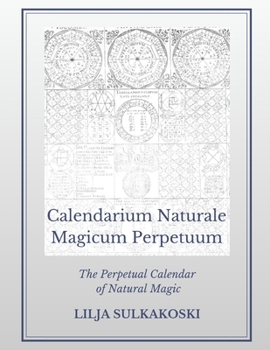
Calendarium Naturale Magicum Perpetuum: The Perpetual Calendar of Natural Magic
No Customer Reviews

This English translation of the Calendarium naturale magicum perpetuum (1618) offers an in-depth look at the calendar's origins, meanings, and the curious minds behind it. Rich with commentary and historical insight, this guide helps decode its cryptic symbols, alchemical references, and esoteric systems. It also traces the document through all known editions, cataloging surviving copies in public collections and analyzing the sources that inspired it. By comparing the various versions and the texts they drew from, the book pieces together the spiritual and philosophical worldview of the Christian mystics and alchemists who created-and used-this remarkable work. The Calendarium naturale magicum perpetuum is an esoteric work that blends astrology, alchemy, Kabbalah, and Hermeticism into a single symbolic calendar. Composed in the early 17th century, the calendar nevertheless relies on Renaissance thought, as exemplified by figures such as Marsilio Ficino, Giovanni Pico della Mirandola, Johann Reuchlin, Heinrich Cornelius Agrippa, and Paracelsus. The calendar was adopted by diverse groups across various regions of Europe and the New World, and it has had a lasting influence on Western esotericism, with its tables and charts continuing to be employed by practitioners in the present day. As a historian and translator, Lilja Sulkakoski specializes in the intellectual and spiritual currents of the Renaissance and Early Modern period, with a particular focus on esotericism, mysticism, and Kabbalah. Her work explores the intersections of philosophy, religion, and hidden traditions.
Format:Paperback
Language:English
ISBN:B0FK3WDNRX
ISBN13:9798294124786
Release Date:July 2025
Publisher:Independently Published
Length:368 Pages
Weight:1.88 lbs.
Dimensions:0.8" x 8.5" x 11.0"
Customer Reviews
0 rating
Copyright © 2026 Thriftbooks.com Terms of Use
| Privacy Policy | Do Not
Sell/Share My Personal Information | Cookie Policy | Cookie Preferences | Accessibility Statement
ThriftBooks® and the ThriftBooks® logo are registered trademarks of Thrift Books Global, LLC
ThriftBooks® and the ThriftBooks® logo are registered trademarks of Thrift Books Global, LLC
