


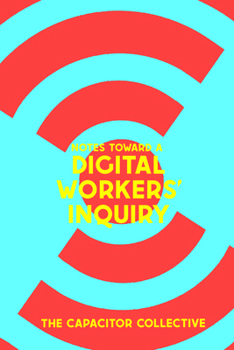
Notes Toward a Digital Workers' Inquiry

A theory-driven account of the stakes and significance of the resurgent labor movement from organizers across the gig economy and tech industry.
It's been 50 years since Jimmy Hoffa disappeared, and almost 45 years since Ronald Reagan broke the back of the Air Traffic Controllers union. In the past half century, union membership in the United States dwindled to half of what it once was, and, somewhat predictably, workers at every level have seen their wages stagnate, their economic security erode, and their benefits fall away, even as the economy has transformed and dozens of new billionaires were minted.
But it still takes workers to make these fortunes for the bosses, and unions are again on the rise. This time the rank and file are coming from the precarious new "gig jobs" and drawing strength from a new class of worker who does the jobs that computers still cannot. Previously thought to be "unorganizable," these workers are part of a North American groundswell in new union activity. To capture this growing class consciousness as it happens, the Platform Organizing Project has conducted ten illuminating interviews with the movement's movers and shakers, connecting old motivations and new tactics in a text that recalls Studs Terkel's Working and updates the methods made famous by Saul Alinsky.
Related Subjects
PhilosophyCustomer Reviews
ThriftBooks ® and the ThriftBooks ® logo are registered trademarks of Thrift Books Global, LLC
